

Auction Houses Are Chasing the New Grail Era
The high-end sports collectibles market is changing quickly as athlete moments are being turned into premium, highly marketable items that can command multi-million-dollar results. For years, photo-matched game-worn jerseys and Logoman cards represented the top tier of game-used collecting. Now, newer creations such as debut patch cards and Gold Logoman cards are expanding what qualifies as a modern grail.
Those products have helped create a market where scarcity can be manufactured, marketed, and sold on a global stage. In that environment, auction houses are no longer competing only on fees or guarantees. They are also competing on storytelling, trust, speed, and the ability to generate attention well beyond the traditional collector audience.
Fanatics-Driven Products Are Changing the Market
Fanatics-licensed products have played a major role in this shift. The company has helped create new one-of-one style chase cards and has also built the ecosystem around them, from the boxes they are pulled from to the auction platforms where they are later sold. That full cycle has made it easier to market high-end cards as both collectibles and headline-making assets.
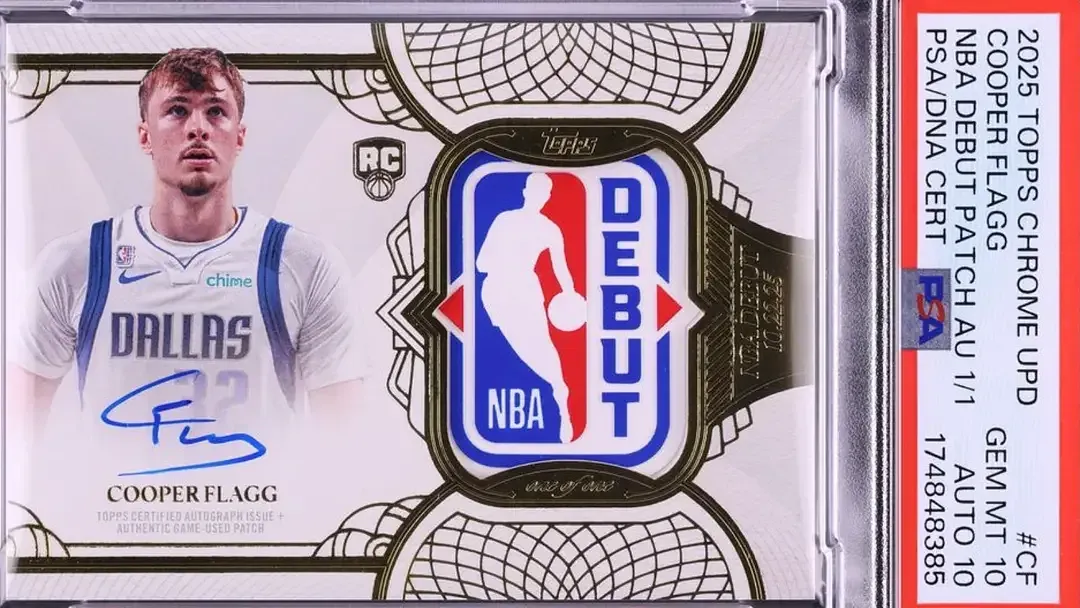
The article points to debut patch cards and Gold Logoman cards as examples of how modern scarcity is being developed and sold. These items are not just rare because of print run limitations. They are rare because they are tied to a specific player moment, often the first time something happened on the field or court, which gives the card or artifact added historical weight.
Cooper Flagg’s Debut Patch Card Set a New Benchmark
One of the clearest examples came from Fanatics Premier, where the 2025-26 Topps Chrome Update NBA Rookie Debut Patch Autograph 1/1 of Cooper Flagg sold for $8.04 million on September 25, 2026. The card featured the patch from his first NBA game and became one of the most talked-about modern sports card sales in recent memory.
That same auction also included debut patch cards for Dylan Harper and Kon Knueppel, which sold for $2.88 million and $2.34 million, respectively. The results showed how quickly the market has embraced this new category of player-specific firsts.
Fanatics had a hand in every step of the process. It manufactured the cards, sold the boxes they came in, and consigned them on its auction platform. That structure gave the company a direct role in building awareness, trust, and liquidity around the sale. It also highlighted how speed and communication can matter as much as the item itself when a grail-level card reaches the market.
The Realest Is Building Around Story and Presentation
As competition increases, auction houses are leaning harder into marketing. The Realest has taken that approach with a signed Shohei Ohtani jersey from the first MLB game in Japan in the 2025 season. The jersey also marked the first time the Gold Logoman was worn in an MLB game, giving the piece multiple layers of significance.
Related coverage includes Auction Houses Are Turning Debut Patches and Historic Jerseys Into Global Grail Events.
According to the source, the jersey was signed by Ohtani in both English and Kanji. The Realest founder Scott Keeney described it as potentially the defining jersey of Ohtani’s career. That kind of framing matters in a market where collectors are not only buying an object, but also the story attached to it.
To build interest ahead of the October 17 close, The Realest launched a global marketing tour and revived its Guess the Price contest. The goal was to create broader engagement and encourage bidders to think about the item as more than a simple auction lot. In this case, the marketing itself became part of the collectible experience.
Why Modern Auction Marketing Looks Different
Traditional auction houses helped establish the high-end memorabilia market through catalogs, email lists, and later social media. Those methods still matter, but the rise of record-setting cards and player-specific firsts has pushed the industry toward more immersive campaigns.
Modern auction houses such as Fanatics Collect, The Realest, and JOOPITER are using a wider mix of tools to reach collectors around the world. That includes more active storytelling, broader cultural positioning, and campaigns designed to make each item feel like a major event rather than just another listing.
The result is a market where presentation can influence perception almost as much as rarity. When a card or jersey is tied to a first, a debut, or a historic game, the auction house has to communicate why that moment matters and how it fits into the larger collecting landscape.
JOOPITER’s Michael Jordan Jersey Sale Showed the Power of Presentation
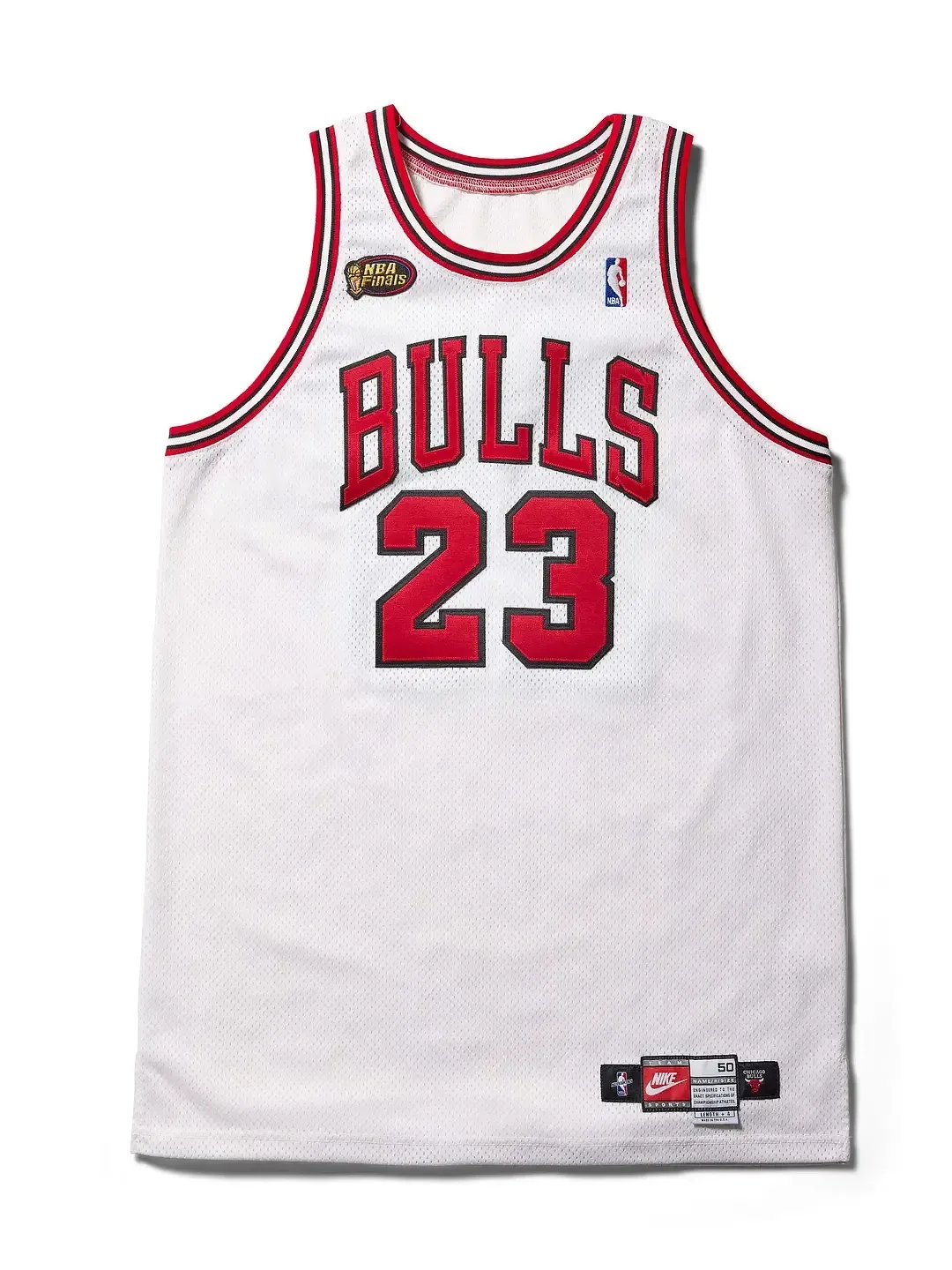
Another example came from JOOPITER, where Michael Jordan’s white Chicago Bulls jersey worn in Game 3 of the 1998 NBA Finals sold for more than $10 million. The sale set a record for a Michael Jordan jersey and underscored how powerful the right platform and presentation can be for a historic piece.
JOOPITER, founded by Pharrell, was selected by consignor and collector Rob Gough, who said the platform understood that the jersey deserved to be presented as a piece of history. He added that JOOPITER brought creativity and care to the marketing, telling the story in a way that connected sports, culture, and collecting.
That approach reflects a broader shift in the market. For top-tier memorabilia, the auction house is no longer just a place to transact. It is part of the value proposition. The way an item is introduced, framed, and shared can help determine how much attention it receives and how far bidding can go.
What the New Grail Market Means for Collectors
The rise of debut patch cards, Gold Logoman pieces, and other player-linked firsts has created new opportunities for collectors, sellers, and auction houses alike. It has also expanded the definition of what a grail can be. A historic jersey or a one-of-one card can now carry value not only because it is rare, but because it represents a singular moment that can never happen again.
As more leagues and licensed products enter this space, the competition for the biggest items is likely to intensify. That means auction houses will keep refining how they market these pieces, from global campaigns to social engagement and event-style rollouts.
For collectors, the market is moving toward a place where the story behind the item can be just as important as the item itself. In that environment, the next major grail may not only come from a championship run or a record-breaking performance. It may come from a first game, a first patch, or a first-of-its-kind collectible that captures a moment before anyone realized how valuable it would become.


Join the Sports Card Portal Page thread for this story.
Comments
0You must be signed in to comment.
Sign In