

Graded Sports Magazines Are Drawing New Attention
For decades, magazines were rarely treated as collectibles. Most were bought for a few dollars, read, and then discarded. That mindset is changing as graded magazine sales continue to climb and more collectors begin to view iconic covers as serious hobby pieces.
Bradley Griffith, a CGC consultant working to expand the graded magazine hobby, said the biggest challenge is changing how collectors think about the format. “The initial impression from everybody is ‘how can magazines be collectible’?” Griffith said.
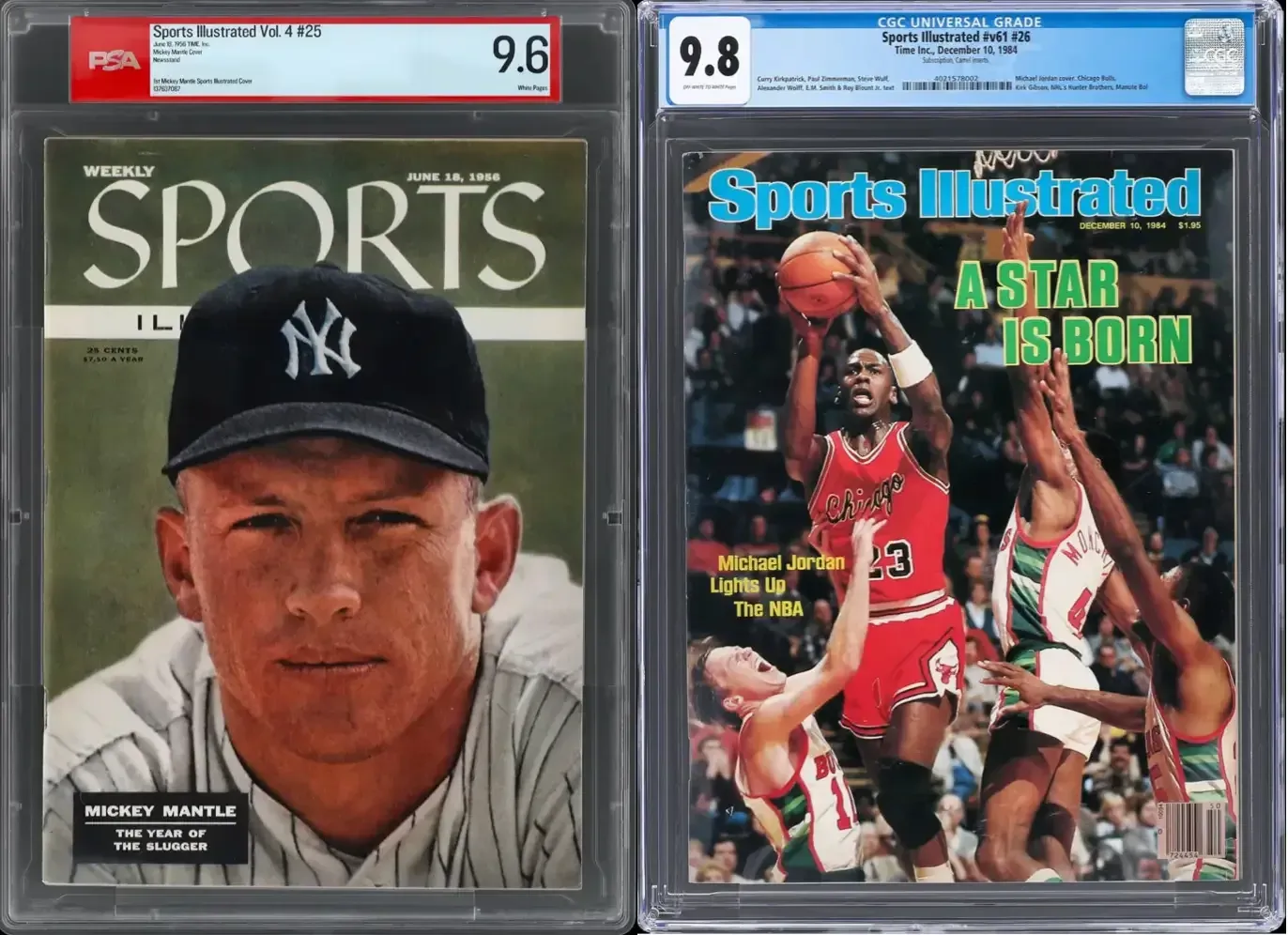
Recent auction results have helped shift that perception. A 1956 Sports Illustrated featuring Mickey Mantle on the cover sold for $328,180 on June 28. In September, a 1984 Sports Illustrated with Michael Jordan on the cover sold for $378,200, setting a new record for the most expensive magazine ever sold.
Those two sales have become landmark moments for the hobby, but they are only part of a broader surge in interest around high-grade, historically important sports magazines.
Iconic Covers Are Leading the Market
Beyond Mantle and Jordan, other legendary athletes have also seen strong results in the graded magazine market. A CGC 9.2 example of Larry Bird’s first Sports Illustrated cover from 1977 sold for $21,960 in September. Also in September, a CGC 9.6 copy of a 1996 issue of The Fan featuring Kobe Bryant sold for $11,950.
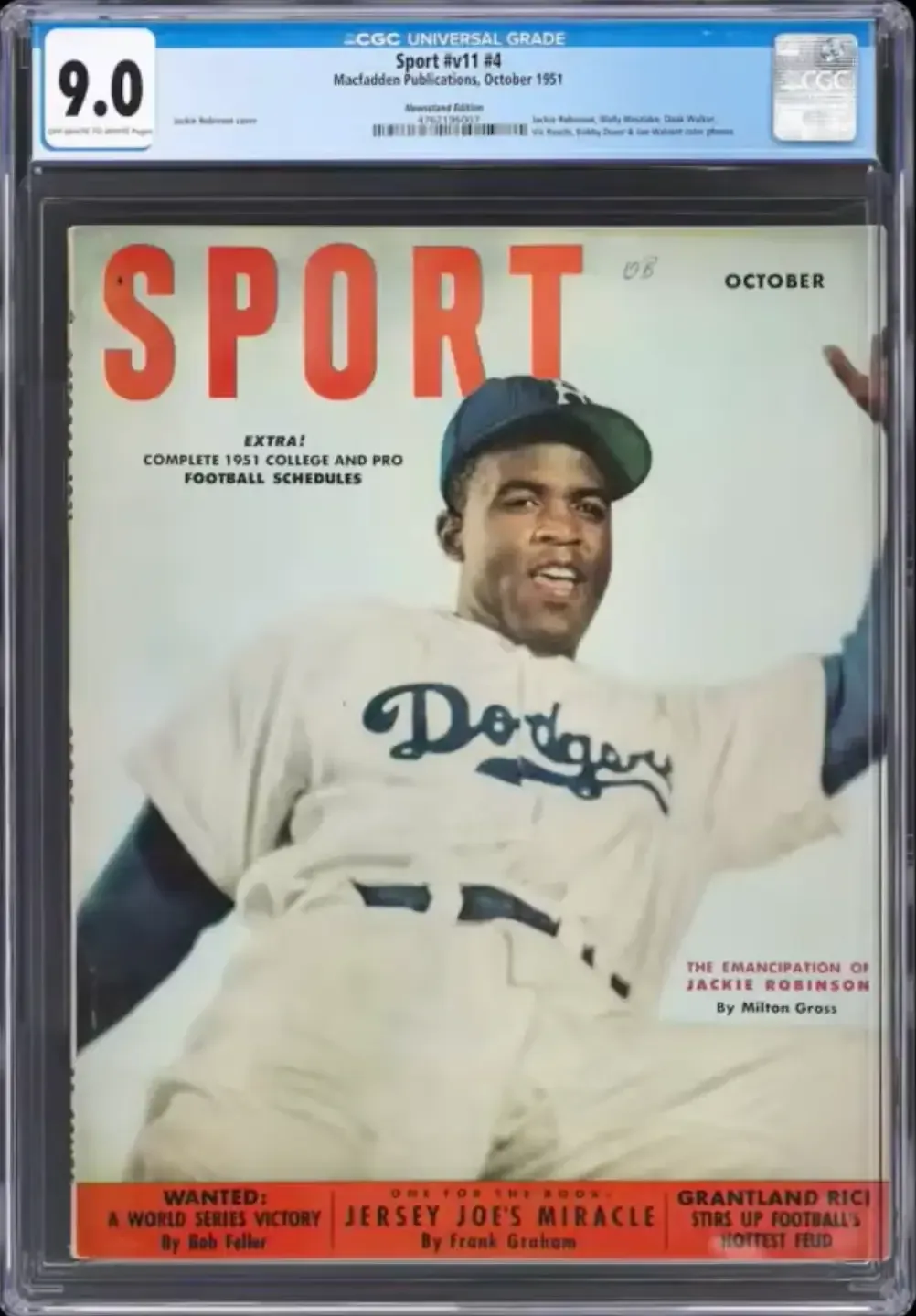
Another notable result came from the October 1951 issue of SPORT magazine featuring Jackie Robinson. A CGC 9.0 newsstand edition sold for $5,185 through Goldin.
These sales underscore a key point for collectors: most magazines are not worth thousands of dollars. The issues commanding major prices are typically iconic covers in exceptionally high grade, often certified by PSA or CGC.
That rarity is part of the appeal. As Paul Sjoberg, an experienced magazine collector who owns all 50 of Michael Jordan’s Sports Illustrated covers, explained, magazines are harder to preserve than cards. “A magazine is a much harder object to keep sharp than a card… bigger surface, spines, rough handling due to reading…so a true 9.4+ newsstand is pretty rare,” Sjoberg said.
Related coverage includes Why Graded Sports Magazines Are Becoming Serious Collectibles.
Why Population Counts Matter So Much
One of the most interesting parts of the graded magazine market is how low the population counts can be compared to the sports cards tied to the same athletes. Griffith said the fact that magazines were long considered disposable is part of what makes them relevant now.
Newsstand editions are generally scarcer than subscription copies. According to Sjoberg, newsstand copies make up only about 3% of magazine print runs, which makes them one of the most overlooked factors in the hobby.
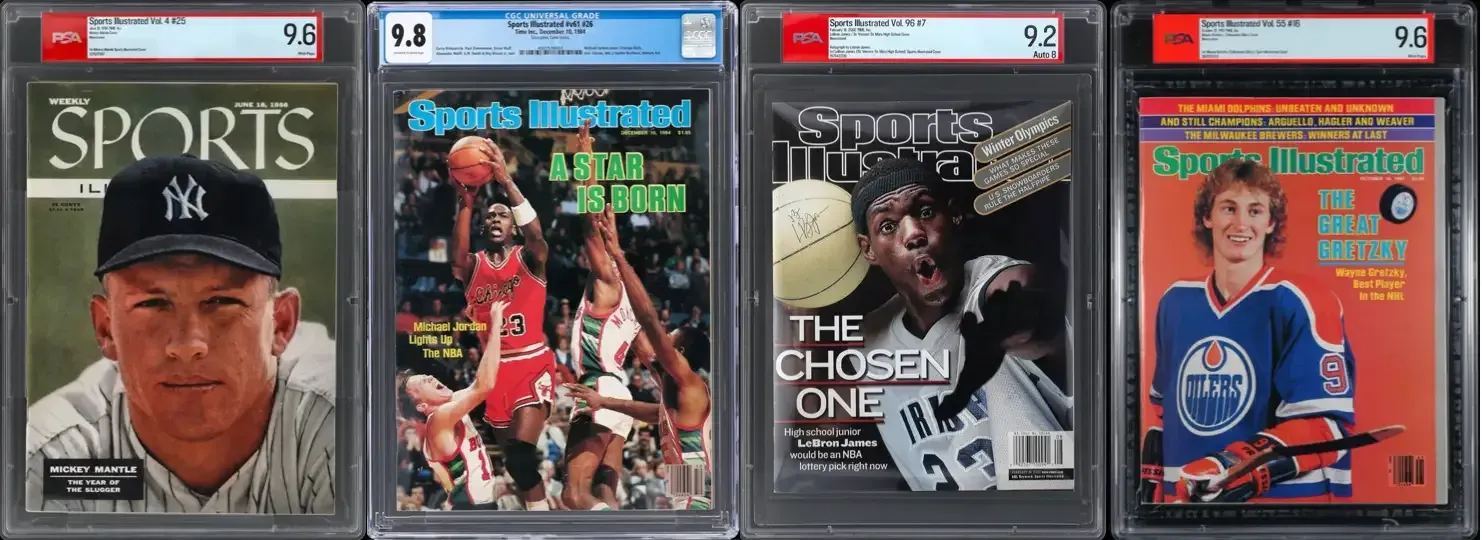
That scarcity becomes even more striking when comparing famous first covers to iconic rookie cards. Michael Jordan’s first Sports Illustrated cover from 1984, Mickey Mantle’s first Sports Illustrated cover from 1956, LeBron James’ “The Chosen One” cover from February 2002, and Wayne Gretzky’s first Sports Illustrated cover from 1981 are all widely recognized, yet their graded populations are far lower than the corresponding cards most collectors know best.
- Michael Jordan - 51,612 for the 1986 Fleer card, 1,113 total graded for the first Sports Illustrated cover, including 187 newsstand copies
- Mickey Mantle - 3,038 for the 1952 Topps card, 137 total graded for the first Sports Illustrated cover, including 81 newsstand copies
- LeBron James - 21,070 for the 2003 Topps Chrome card, 829 total graded for the first Sports Illustrated cover, including 503 newsstand copies
- Wayne Gretzky - 23,056 for the 1979 O-Pee-Chee card, 451 total graded for the first Sports Illustrated cover, including 151 newsstand copies
Those card populations include PSA, CGC, Beckett, and SGC. Magazine populations combine PSA and CGC, with newsstand copies included in the totals.
Collectors also point out that magazines are easier to define than modern cards. LeBron James has 138 distinct rookie cards, while his first Sports Illustrated cover is a single, identifiable issue. That simplicity is part of the appeal for collectors who feel overwhelmed by the volume of inserts, parallels, and sets in the card market.
“I think the lack of variations and simplicity is so refreshing,” said magazine collector Marty Ryan.
Older Issues Can Be Exceptionally Scarce
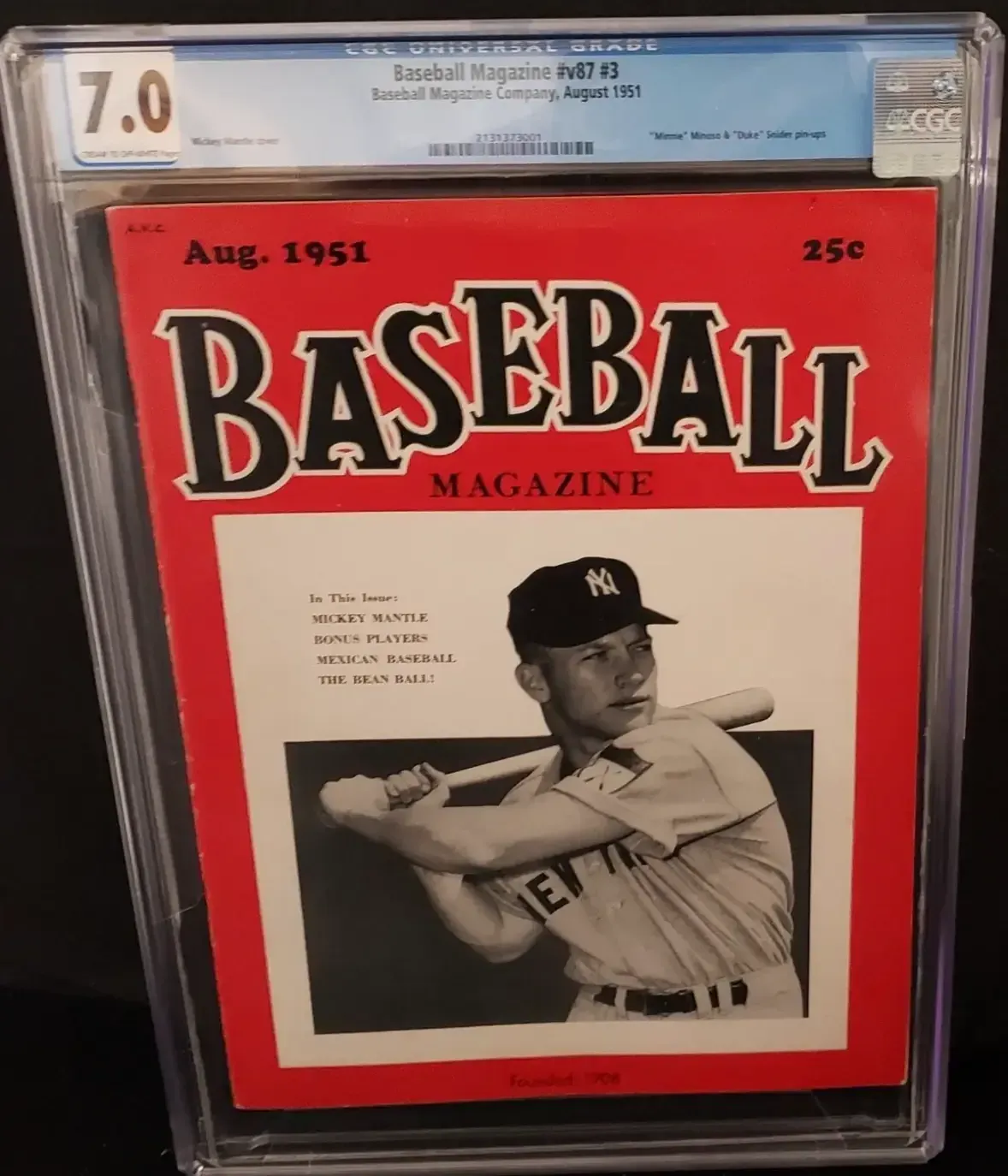
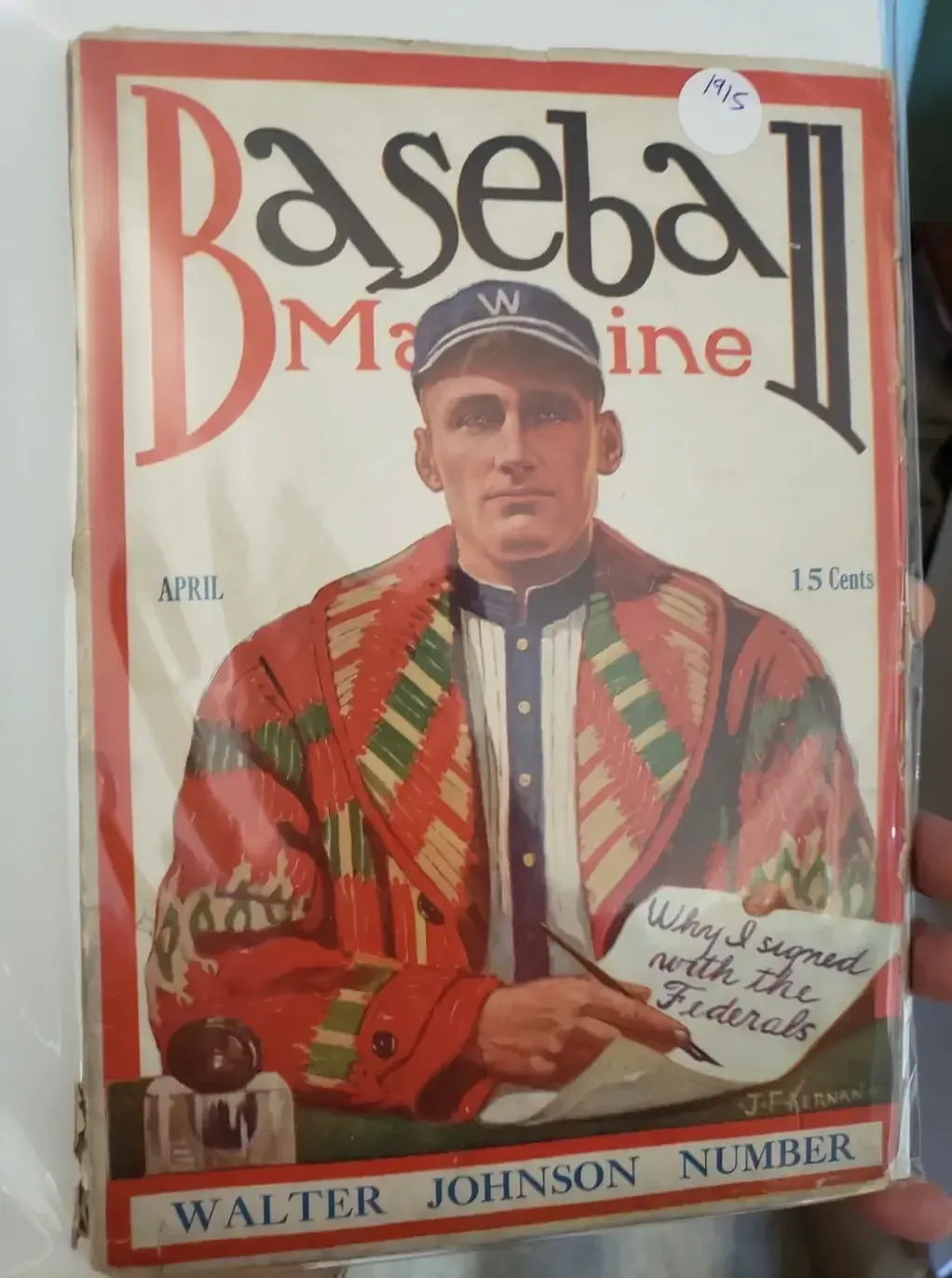
Some early sports magazines have surprisingly low certified populations. An August 1951 Baseball Magazine featuring Mickey Mantle during his rookie season has a CGC population of just 43. A CGC 3.5 copy recently sold for $5,495.
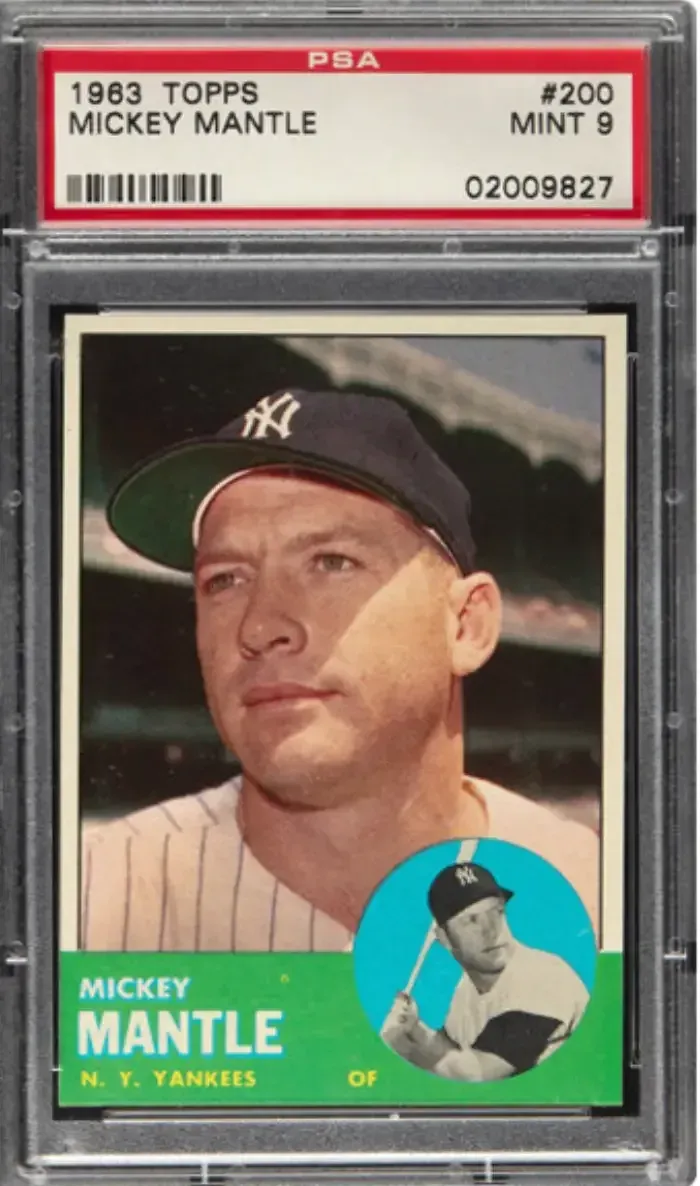
That issue offers an early look at Mantle’s career, while his better-known 1956 Sports Illustrated first cover is often compared to his iconic 1952 Topps rookie card in terms of hobby significance.
Population reports do require context. Sports card grading began in 1991, while magazine grading did not begin until 2009 with CGC. Many surviving magazines have never been submitted, so certified populations should not be mistaken for the total number of copies that still exist.
Even with that caveat, the numbers are striking. Sports cards have been treated as collectibles for decades, while magazines were usually bought to be read and thrown away. That history helps explain why so many important issues remain scarce in high grade.
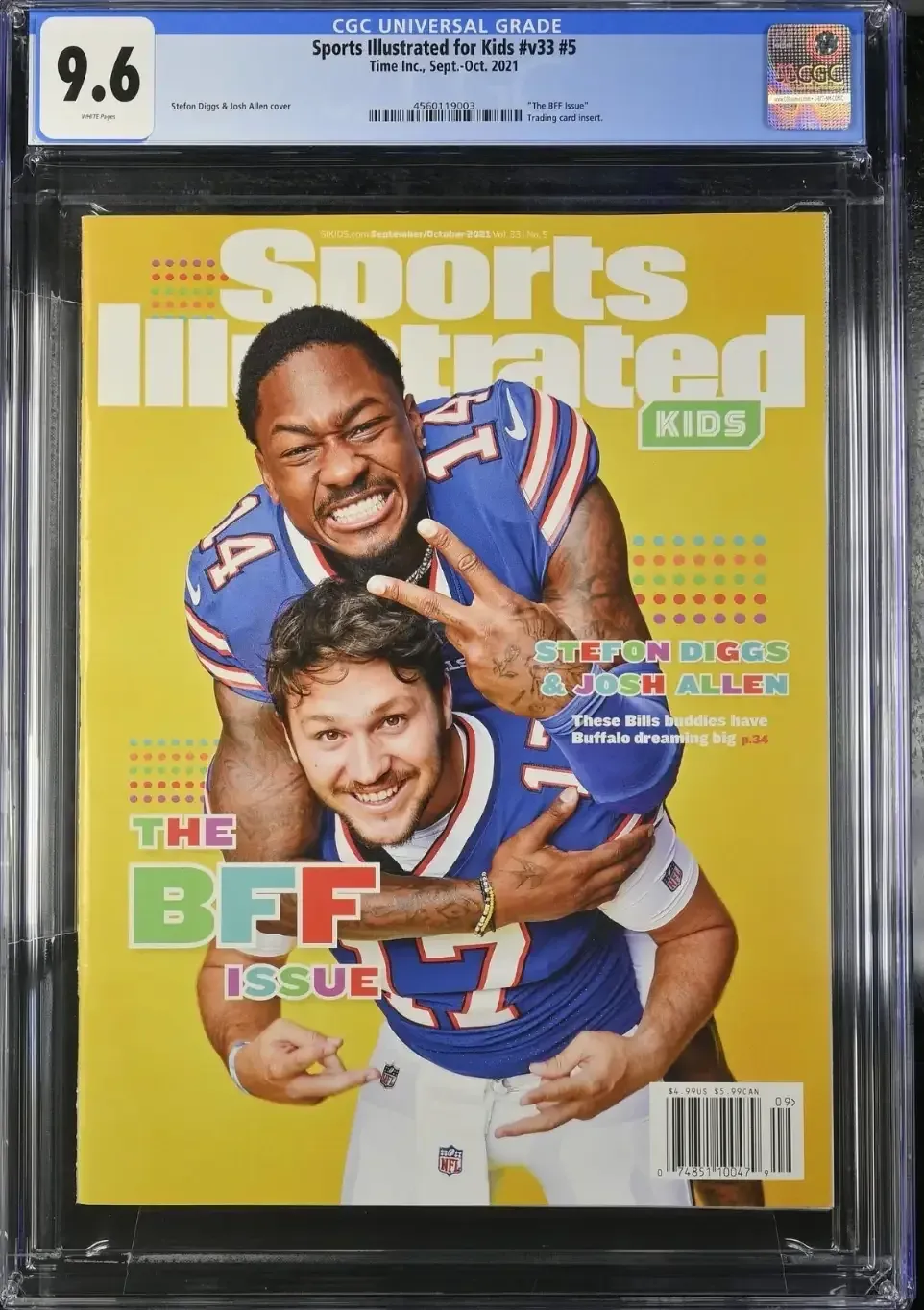
Modern issues can also be surprisingly tough to find in certified form. Sports Illustrated for Kids magazines have become more popular with collectors because of their memorable covers and nostalgia. One issue featuring Josh Allen and Stefon Diggs has been graded only 11 times by CGC.
Griffith said the magazine market has grown significantly in recent years. Roughly 13,000 Sports Illustrated magazines were graded by CGC between 2009 and 2022. From 2023 through 2026, another 36,000 were graded. If large numbers of iconic copies were still sitting untouched, many would likely have surfaced by now.
Graded Magazines Also Stand Out As Display Pieces
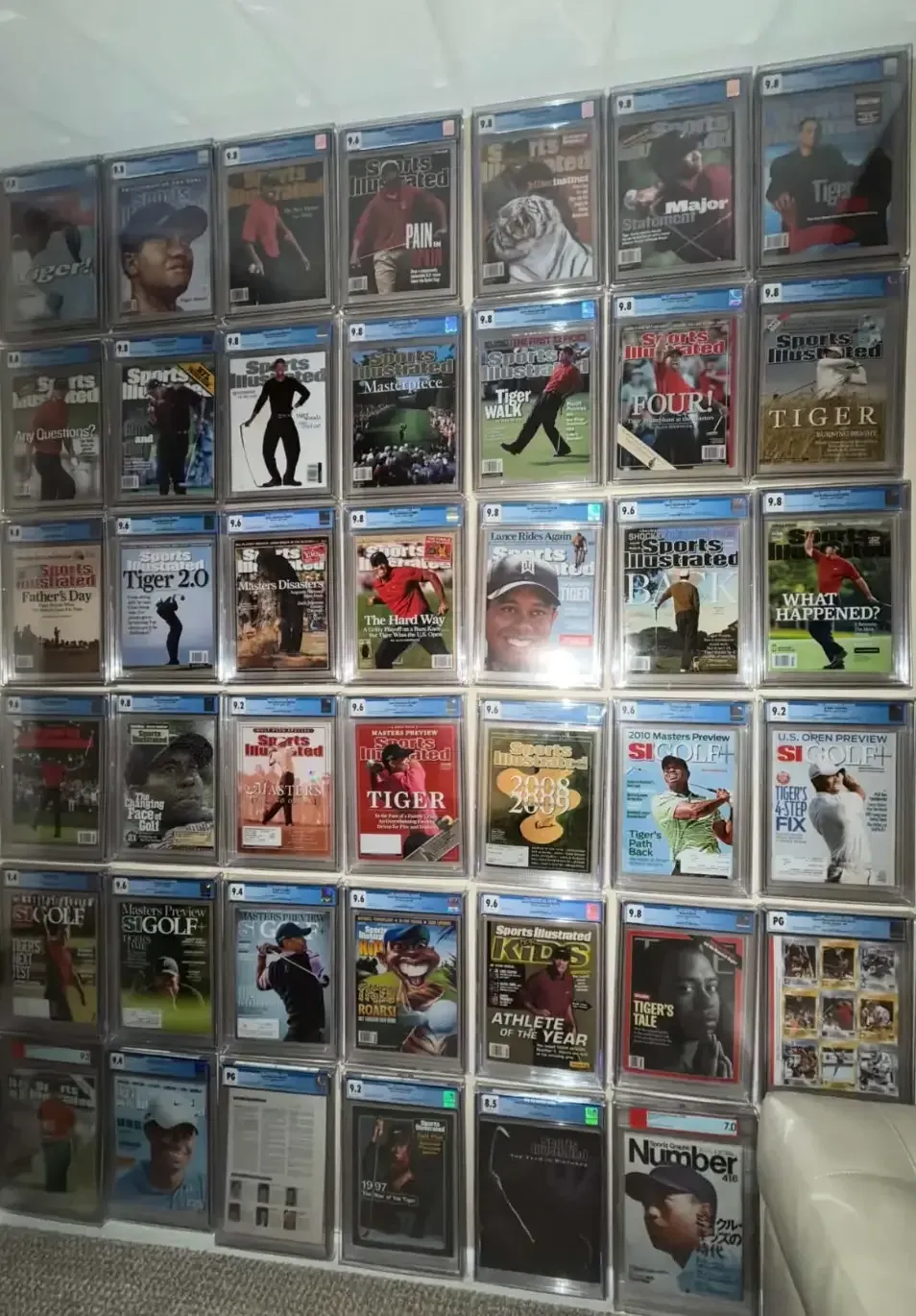
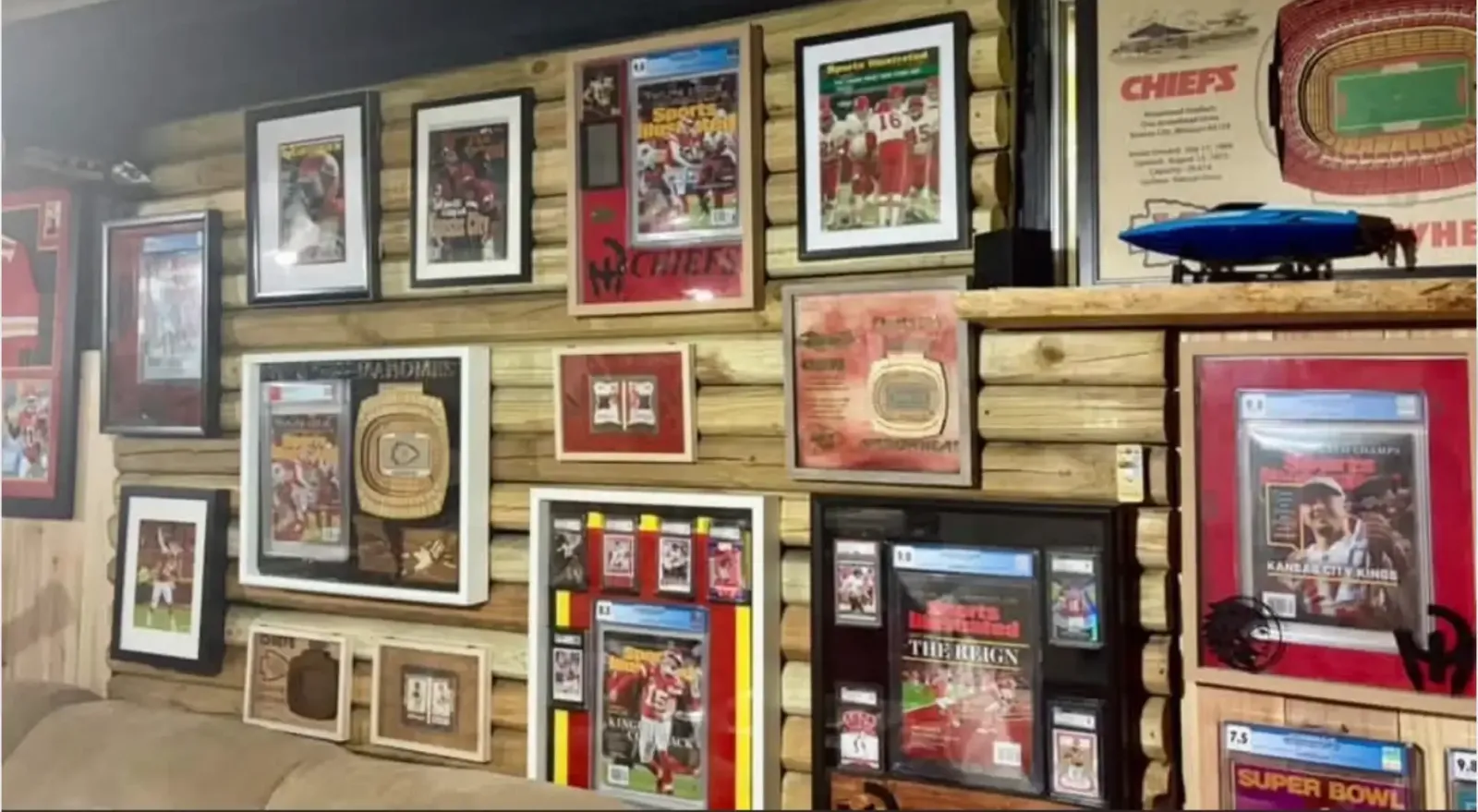
Financial upside is only part of the story. Graded magazines also work well as display pieces because of their size, photography, and headlines. Unlike trading cards, magazines often feature large cover images that capture an athlete’s personality or a major moment in sports history.
Howard Chasser, a longtime collector and sports memorabilia dealer, said the visual appeal is a major part of the hobby’s charm. “I see them as analogous to works of art,” Chasser said.
For collectors who already own extensive card collections, magazines offer a different way to showcase favorite athletes. The larger format makes details easier to appreciate, and the cover design often gives the piece a stronger presence in a display case or framed collection.
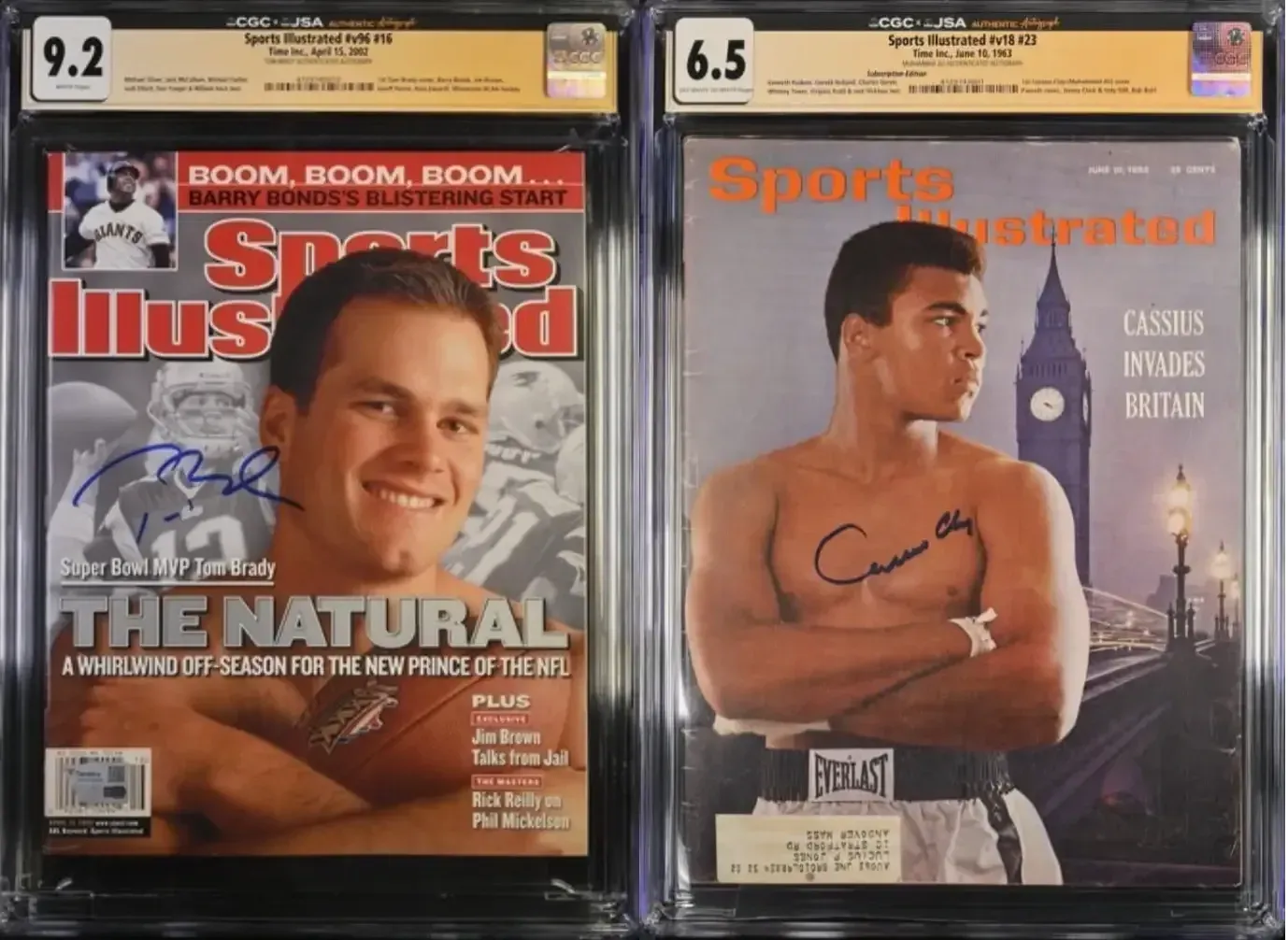
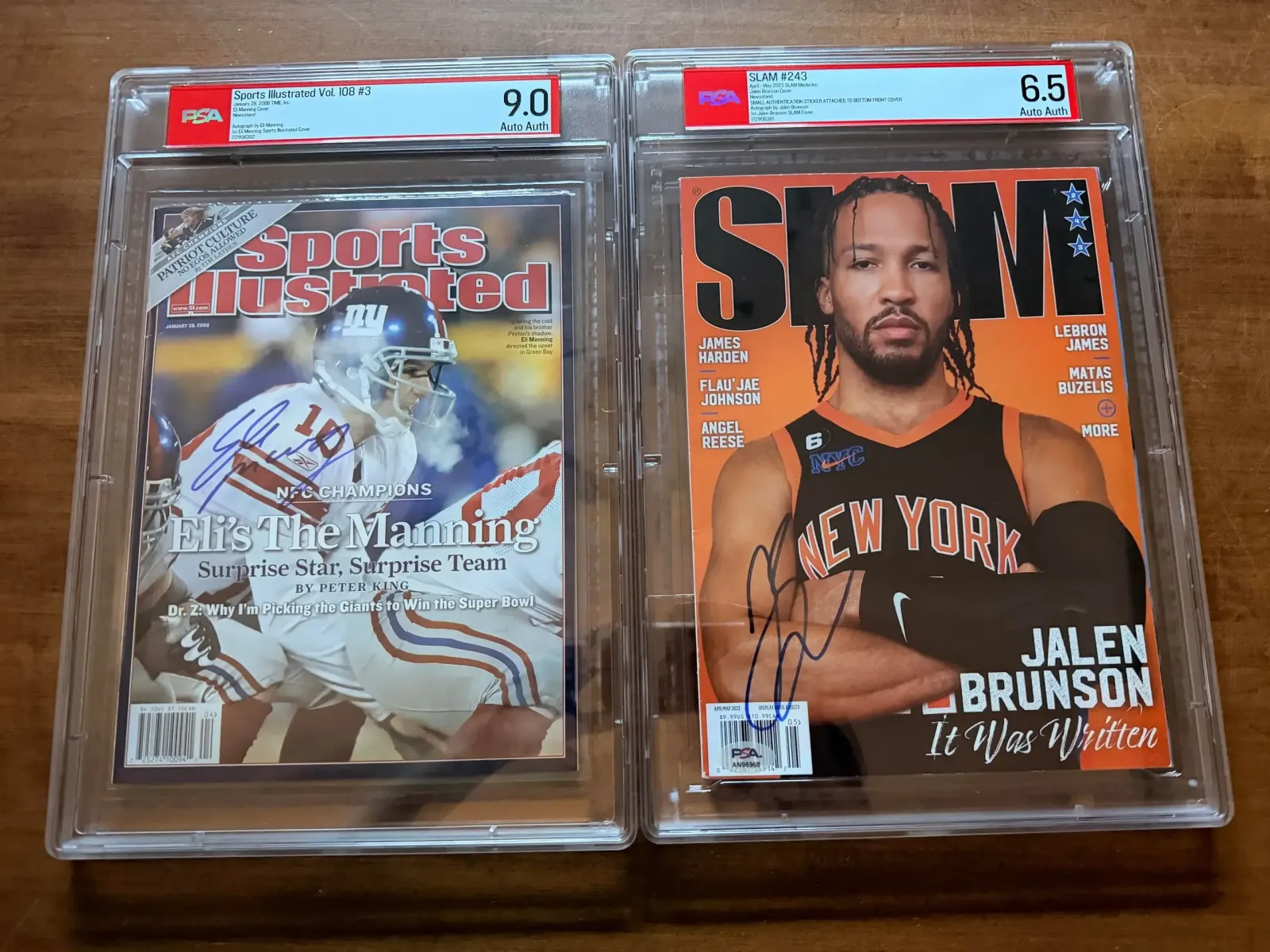
Autographed magazines can be especially attractive. The larger surface gives athletes more room for bold signatures, and the combination of a historic cover and an autograph can create a standout display item.
Mark O’Bryan, who has collected more than 4,000 autographed Sports Illustrated magazines, has built themed collections centered on legendary athletes, Super Bowl covers, and favorite teams. His collection includes autographed first-cover issues of Tom Brady from 2002 and Muhammad Ali from 1963, when he was still known as Cassius Clay.
Collectors do not have to focus only on graded copies, either. Raw magazines allow readers to revisit the original articles, advertisements, and photography from the era in which they were published. Chasser described magazines as a “window into the past,” noting that the content inside can be just as compelling as the cover itself.
That broader appeal extends beyond Sports Illustrated. Publications such as SLAM, TIME, and SPORT have all produced memorable covers that attract collector interest.
Three Under-the-Radar Sports Magazines Collectors Watch Closely
While Mantle and Jordan headlines have drawn the most attention, experienced collectors say there are other historically significant magazines that deserve more recognition.
1947 Time Jackie Robinson
The September 22, 1947 issue of Time featuring Jackie Robinson remains one of the most historically important sports magazine covers. It was published during Robinson’s groundbreaking rookie season with the Brooklyn Dodgers and marked a major milestone at a time when Black athletes rarely appeared on national magazine covers.
Mark Tanaka, a magazine collector, said the historical significance of the cover cannot be overstated. He noted that it represented the first time a Black athlete appeared on a national magazine cover in the United States.
Population data shared in the source lists 43 newsstand copies and 12 subscription copies for CGC, along with 3 newsstand copies and 6 subscription copies for PSA. A CGC 4.5 sold for $995 on 9/2/26, and a CGC 6.0 copy was listed for $2,299 on eBay.
Beckett Basketball #1 Michael Jordan
Old Beckett price guides are another area drawing renewed interest, especially for collectors who grew up in the 1980s and 1990s. Marty Ryan said Beckett magazines were a staple for card collectors waiting each month for the next issue to arrive.
Ryan highlighted the first issue of Beckett Basketball featuring Michael Jordan as a potential sleeper. According to the population figures cited in the source, PSA has graded 355 subscription copies and 22 newsstand copies, while CGC has graded 1,720 subscription copies and 60 newsstand copies.
Recent sales included a PSA 9.6 for $339 on 10-21-26 and a CGC 9.6 for $223 on 11-2-2026. Ryan believes nostalgia could help drive more interest in Beckett magazines over time.
Sports Illustrated November 19, 1979 Magic Johnson Cover
Paul Sjoberg also pointed to the November 19, 1979 issue of Sports Illustrated featuring Magic Johnson’s first NBA Sports Illustrated cover. He believes collectors have overlooked important basketball publications beyond Jordan.
The source lists recent sales of a CGC 7.5 for $150 on 11-6-2026 and a CGC 8.0 for $250 on 9-20-26. Population figures cited in the source show 21 newsstand copies and 65 subscription copies for CGC, along with 23 newsstand copies and 9 subscription copies for PSA.
Sjoberg noted that Magic Johnson’s 1980 Topps rookie card with Larry Bird and Julius Erving has a total population of 27,076, while Magic’s first magazine cover has a total population of just 118. He said that issue can be found for less than $100 in decent condition.
A Babe Ruth Magazine Grail Still Draws Attention
One of the rarest early baseball publications mentioned in the source is the March 4, 1916 issue of Sporting Life featuring a young Babe Ruth. The issue shows Ruth during his pitching days with the Boston Red Sox, long before he became baseball’s home run king.
There is also a notable error on the cover, which identifies Ruth as his teammate Dutch Leonard. Howard Chasser considers it one of the hardest early baseball publications to find. In more than 30 years of collecting, he said he has encountered fewer than five examples.
For collectors like Marty Ryan, part of the appeal of magazine collecting is the hunt itself. While the hobby does not offer the pack-opening thrill of cards, he said the excitement comes from finding forgotten pieces at estate sales and garage sales, then improving them through cleaning and pressing.
That mix of history, scarcity, and presentation is helping graded magazines earn a larger place in the sports collectibles market.
Join the Sports Card Portal Page thread for this story.
Comments
0You must be signed in to comment.
Sign In