

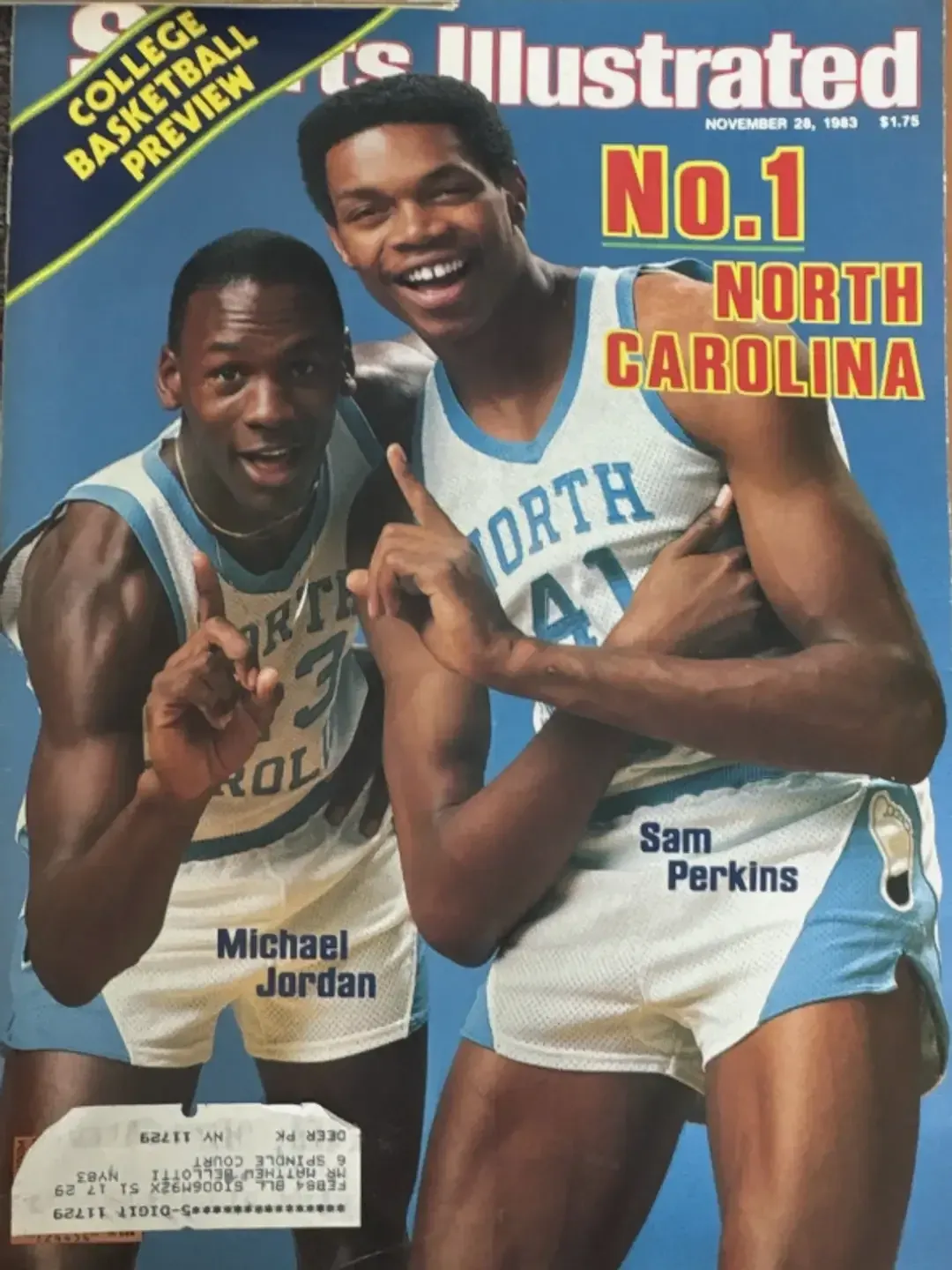
Sports Illustrated Magazine Collecting Is Gaining Momentum
Magazine collecting has become one of the more notable trends in the collectibles market in 2026, and Sports Illustrated issues are part of that surge. With grading companies such as PSA and CGC helping define condition and market value, collectors have been paying closer attention to key covers, scarce copies, and historically important athlete appearances.
The result has been a stronger market for certain Sports Illustrated magazines, with some issues seeing significant price increases. While not every copy carries the same demand, the category has drawn renewed interest from both longtime collectors and newer hobbyists looking to build a focused run of covers.
Why Issue Type Matters
One of the first things collectors should understand is the difference between subscription issues and newsstand issues. That distinction can have a major effect on value.
Subscription Issues
Subscription copies commonly have an address label on the front cover, although some labels may have been removed or may never have been present. In some cases, a blank white box appears where the label would normally be. There can also be situations where an advertisement was placed over the cover when the magazine was mailed, which can create confusion for newer collectors.
In general, subscription issues sell for a fraction of the value of comparable newsstand copies. For collectors focused on eye appeal, the label can be a drawback even when the magazine itself is otherwise in strong shape.
Newsstand Issues
Newsstand copies are identified by the barcode in the bottom corner of the cover, though placement can vary. These issues tend to bring stronger prices because they are often more visually appealing without an address label on the front.
Scarcity also plays a role. Newsstand copies may have been exposed to rough handling during distribution, and many older examples did not survive in high grade. That combination of visual appeal and survival rate has helped push values higher for desirable covers.
Examples of Value Differences
The gap between subscription and newsstand pricing can be meaningful even for the same issue. One example cited by collectors is the October 15, 1984 Sports Illustrated cover featuring Walter Payton. In ungraded condition, a subscription copy recently sold for $5 in good shape, while a newsstand copy sold for $15.
Related coverage includes Sports Illustrated Magazine Collecting: How to Spot Newsstand Copies, First Covers and Grading Potential.
That kind of spread is one reason collectors now pay closer attention to the exact version of an issue before buying. The difference may be even more pronounced on key covers tied to major athletes or important career milestones.
First Cover Appearances Can Add Premiums
Another major driver of value is whether a magazine marks an athlete's first Sports Illustrated cover appearance. First covers often attract more attention, especially when the athlete later becomes a Hall of Famer or builds a career that gives the issue added historical significance.
Ichiro's first cover appearance is one example that has drawn strong interest. The May 28, 2001 newsstand issue has sold in ungraded condition for about $18 to $25, which is notably higher than a typical newsstand copy. Graded examples can climb much higher, with a CGC 9.4 copy reportedly selling for $270 last month.
For collectors, first-cover issues combine athlete significance with magazine scarcity and condition sensitivity, making them a natural target in the growing SI market.
Grading Has Changed the Magazine Market
Grading has become a major part of the magazine hobby, and Sports Illustrated has benefited from that shift. PSA and CGC are among the leading grading companies in the category, and slabbed copies have helped establish clearer price tiers for collectors.
As more buyers focus on condition, graded magazines have become more visible in the marketplace. That has helped create stronger demand for high-grade examples of important covers, especially those tied to iconic athletes or memorable first appearances.
The grading trend has also encouraged collectors to revisit older holdings. Many people who stored Sports Illustrated magazines for years are now checking what they have, whether for personal collecting, resale, or simply to understand whether a key issue might have greater value than expected.
Collecting Sports Illustrated Can Be About More Than Value
Even with prices rising, many collectors still approach Sports Illustrated as a nostalgia-driven hobby. Some focus on favorite athletes, while others enjoy building runs of covers from specific eras or chasing memorable issues from their own childhood.
That emotional connection remains a big part of the appeal. For many collectors, Sports Illustrated was the magazine they looked forward to seeing in the mailbox each week. The cover athlete often became part of the memory attached to that issue, and those personal connections continue to shape what people choose to collect today.
Condition and issue type may matter in the market, but collecting does not have to be driven by investment potential alone. Some hobbyists are content to own the cover that means the most to them, whether it is a star player, a championship moment, or a magazine that simply brings back a specific time and place.
What Collectors Should Check Before Buying
- Confirm whether the issue is a subscription copy or a newsstand copy.
- Look for an address label, blank label area, or barcode placement on the cover.
- Compare the issue to known first-cover appearances when evaluating value.
- Consider condition carefully, especially on older magazines where wear is common.
- Pay attention to graded examples, since PSA and CGC copies can establish stronger market benchmarks.
The Sports Illustrated magazine market remains active, and interest has continued to build alongside the broader rise in magazine collecting. With more collectors paying attention to cover significance, issue type, and grading, the category has become a more visible part of the hobby.
For anyone sorting through old magazines or starting a focused collection, the key is knowing what separates a common copy from a more desirable one. In Sports Illustrated, those details can make a noticeable difference in both collector appeal and market value.




Join the Sports Card Portal Page thread for this story.
Comments
0You must be signed in to comment.
Sign In