

Hockey cards reward close reading. A card can look fully official, yet still raise separate questions about league marks, player rights, photo permissions, and whether the item has been authenticated or merely graded. For collectors, those are not interchangeable ideas; they shape what a card is, what it can legally show, and how you should evaluate it before buying.
As of 2026-10-17, the public evidence still points to Upper Deck as the exclusive licensed manufacturer of physical NHL trading cards, while the NHLPA remains a separate rights holder for current-player usage. That matters because a card with a current player in a team uniform usually sits at the intersection of more than one rights bucket, not just one.
The other big collector lesson is that certification is not magic. A slab can confirm a card’s authenticity or condition opinion, but it does not erase the possibility of counterfeit labels, copied certification numbers, or misleading product language. If you understand the licensing structure first, you will shop with much more confidence.
What rights are actually built into a hockey card?
The cleanest way to understand hockey cards is to separate the rights involved. One layer covers league and team marks such as logos, uniforms, and names. Another covers player rights, including name, likeness, image, signature, and related biographical elements. A third layer concerns the actual image used, and a fourth covers who is authorized to manufacture and sell the card at all.
That structure is why the phrase “licensed hockey card” can be incomplete on its own. A product may have player permission but not the right to use a team logo, or it may have a usable image but lack a key rights layer needed for a current-player card in uniform. The public NHL labor language treats retail trading cards with current players in NHL club uniforms as a joint licensing matter, which is why collectors should think in layers rather than labels.
- League marks and team marks are one rights layer, not the whole picture.
- Player rights are separate from team and league rights.
- A card with a strong action photo still needs the correct permissions to be fully licensed.
- Manufacturing rights determine who can legally produce the cards, not just how they look.
Why does Upper Deck dominate the current NHL card market?
The public record currently shows Upper Deck as the exclusive licensed manufacturer of physical NHL trading cards. The NHL and NHLPA announced the extension of their partnership with Upper Deck, and NHL.com materials still describe Upper Deck as the NHL’s exclusive trading card partner in current-facing content. For collectors, that is the core reason Upper Deck sits at the center of fully licensed NHL cardboard in the present market.
This does not mean every Upper Deck product is identical. It means the brand operates under the same licensing umbrella while offering different product styles, from flagship base-heavy releases to premium and hobby-exclusive lines. A collector who hears “Upper Deck hockey” should still ask what kind of product it is, because licensing and product design are separate questions.
- Current public NHL and NHLPA materials still point to Upper Deck as the exclusive physical-card manufacturer.
- A flagship set, a premium set, and an event issue can all be licensed but still feel very different.
- “Officially licensed” says more about rights than about price, scarcity, or release structure.
- Upper Deck’s active hockey product pages show the brand remains current in the market.
How do NHL and NHLPA rights work together on current-player cards?
For collectors, the most important legal idea is that the NHL and the NHLPA are not the same rights holder. The NHLPA describes itself as the exclusive collective bargaining representative of NHL players, and its Player Collective serves as the exclusive source for global group player rights. That means a current-player card is not just a league product; it also depends on player-side licensing.
The NHL CBA makes the practical point even clearer. It says the NHLPA and the Clubs shall continue to jointly license retail trading card manufacturers that use images of current players in NHL club uniforms. In plain English, if a modern card shows a current player in a team sweater, the collector should expect both the player-rights side and the league/team side to matter. That is the same distinction highlighted in [League Licenses vs. Player Association Rights: Why Both Matter on a Trading Card](https://sportscardportal.com/news/league-licenses-vs-player-association-rights-why-both-matter-on-a-trading-card).
- The NHLPA controls player-side group rights, not just individual publicity concerns.
- The CBA treats retail cards with current players in uniforms as a joint licensing issue.
- A team-uniform photo is often the practical sign that multiple rights layers are in play.
- If one side declines to participate, the licensing picture can change.
What makes a card fully licensed versus only partly licensed?
Collectors often assume a hockey card is either licensed or unlicensed, but there is a more useful middle ground: partially cleared products. A card can be properly authorized for some elements and still miss others. For example, a release might be able to use a player image while still lacking the right to lean on team marks, or it might rely on a different rights structure for a retro or alumni-style issue.
That is why the product page alone does not answer every question. You want to know what the card is using: current-player identity, team uniform, team marks, event imagery, or some combination of those. The more pieces a card uses from the modern NHL ecosystem, the more important it becomes to confirm that the licensing story matches the design. If it does not, the item may still be collectible, but it is not the same thing as a fully licensed current NHL release.
- More rights layers usually mean more places to make a licensing mistake.
- A collectible can exist without being fully licensed in the way collectors usually mean it.
- Retro-style or niche products may use different permissions than standard current-player releases.
- When in doubt, read the card as a rights document as much as a collectible.
How should collectors read Upper Deck hockey product lines?
Upper Deck’s hockey catalog is broad, but the brand name alone does not tell you what kind of collector experience a box will deliver. A flagship series is usually base-card heavy and accessible, while a premium line tends to emphasize thicker stock, shorter print structures, or hit-driven packaging. The important point is that licensing is the umbrella, not the entire product story.
That distinction keeps expectations realistic. A licensed product can still be built for different audiences, budgets, and chase patterns. If you are trying to decide whether a box fits your collection, ask first what the product is trying to be, not just whether it is officially sanctioned. Otherwise, you can end up comparing a standard release and a premium release as if they are supposed to deliver the same collecting experience.
- Licensed does not mean uniform across all product families.
- Flagship and premium lines can both be authentic NHL products while serving different collectors.
- The box format, not just the logo on the wrapper, shapes the buying decision.
- Active product pages are useful for recognizing which lines are currently in circulation.
What should buyers know about hockey cards and PSA authentication?
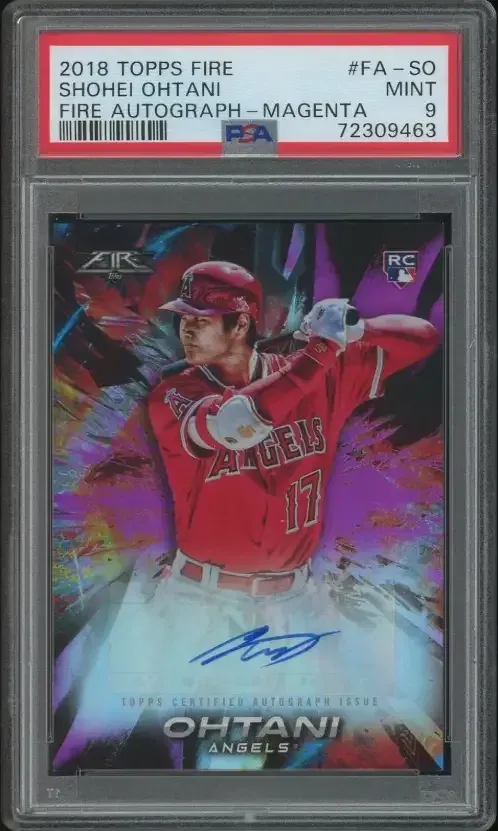
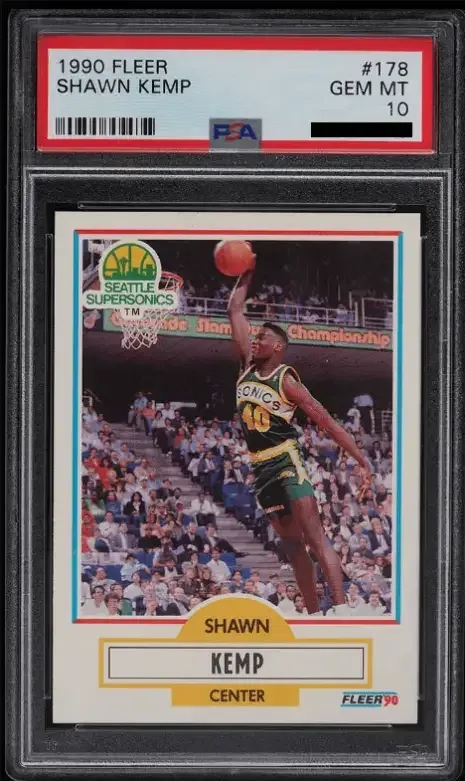
Grading and authentication are related, but they are not the same. PSA says authentication is the process of verifying that an item is genuine, while grading is the assignment of a condition score. A card can be authentic without earning a numeric grade, and that difference matters when you are comparing a pristine modern issue with a damaged or altered vintage card.
This is where collectors should slow down and read the label carefully. An “Authentic” result is not equivalent to a high numeric grade; it simply says the item passed the genuineness test. For certain hockey cards, especially older ones or cards with condition issues, that distinction can matter more than the brand of slab itself. It is also where the practical advice from the PSA ticket reholder service becomes useful: a card can move between numerical grading and authentic-only outcomes depending on condition and submission context.
- Authentication asks whether the item is real.
- Grading asks what condition the real item is in.
- “Authentic” is not a stealth version of “Mint” or “Gem Mint.”
- Always read the holder language before you compare prices.
Why doesn’t a certification number guarantee a safe purchase?
PSA explicitly warns that certification numbers can be copied, and that verification does not eliminate fraud risk. That warning matters because counterfeiters do not need to invent an entirely fake grading system to deceive buyers; sometimes they only need a believable label, a reused cert number, or a holder that looks close enough at a glance. A matching lookup is helpful, but it is not the end of the due diligence process.
The practical response is simple: verify the cert, inspect the holder, and compare the card details against the listing. If the label style, holder construction, or item information feels inconsistent, pause. PSA’s security pages make clear that its holders include anti-counterfeiting features, but no holder is a substitute for judgment. The smarter habit is to treat the certification as one checkpoint among several, not as a guarantee.
- A real certification number can still be misused on a fake item.
- Holder inspection should happen alongside database lookup.
- Security features help, but they do not replace buyer caution.
- If any one detail feels off, assume the risk is higher until proven otherwise.
What about women’s hockey and other separate properties?
Collectors should not assume that every hockey product falls under the same licensing umbrella. NHL.com reported that Upper Deck secured an exclusive trading-card license for the Professional Women’s Hockey League, and that is a separate property from the NHL. The existence of that agreement is useful because it shows how rights can branch by league or property rather than follow one universal hockey standard.
For buyers, the lesson is to check the league first, then the product. A women’s hockey card, an NHL card, an alumni product, and a niche promotional set may all be valid collectibles, but they may rest on different legal foundations. If you are building a focused collection, especially one centered on current-player rights, those distinctions are worth tracking before you buy a box or a single.
- Separate leagues can have separate trading-card licenses.
- Do not assume an NHL rule automatically applies to another hockey property.
- Current-player cards are especially sensitive to rights structure.
- Product context matters as much as the player on the card.
What is the safest buying framework for a hockey collector?
Start by identifying the card’s rights profile. Ask whether it uses a current player, a team uniform, a team logo, or a photo that clearly ties it to the modern NHL. If the answer is yes to several of those, you should expect the licensing question to be fully engaged, not incidental. That is also the point at which you should think about whether the brand is the current dominant licensed manufacturer.
Then decide whether you are buying raw or slabbed. Raw cards require visual inspection and seller trust. Slabbed cards require cert verification, holder examination, and a clear reading of the label language. If you keep those steps separate, you avoid one of the most common collector mistakes: assuming the most polished-looking item is automatically the safest one. In practice, the safest card is the one whose rights story and condition story both make sense.
- Identify the card’s rights profile before you judge its appeal.
- Treat raw and slabbed purchases as different risk categories.
- A card can be genuine and still be poorly described.
- The best buying decision comes from matching the product to the rights behind it.
Frequently Asked Questions
Is Upper Deck still the only officially licensed manufacturer for current NHL physical trading cards?
The public NHL and NHLPA materials available here still support that conclusion as of 2026-10-17. The most clearly documented public extension keeps Upper Deck positioned as the exclusive licensed manufacturer of physical NHL trading cards.
Why do current-player cards in NHL uniforms involve both league and player rights?
Because the NHLPA controls player-side rights while the league and clubs control team and league-related marks and usage. The CBA says those retail trading cards are jointly licensed when they use images of current players in NHL club uniforms.
Does an authentic slab mean a hockey card is also high grade?
No. Authentication only says the item is genuine. A numeric grade adds a condition assessment, and an authentic-only holder does not imply high grade.
Can a certification lookup alone protect me from a fake slab?
No. PSA warns that certification numbers can be copied and that lookup does not eliminate fraud risk. You still need to inspect the holder and compare the item details carefully.
Written with AI assistance. Featured image: AI-generated editorial illustration.
Comments
0You must be signed in to comment.
Sign In