

A 1999 Pokémon First Edition Shadowless Charizard sold for $990,000, leading a rebound in high-end trading card game sales from November 15 to 22. A $630,000 sale set a new record for Blastoise, and a $384,000 Alpha Black Lotus was the only Magic: The Gathering card to break into the week's top five.
The five biggest TCG sales totaled $2.69 million, according to Card Ladder, more than double the previous week's $1.24 million. Four were Pokémon cards, and four of the five transactions closed through Fanatics Premier on November 20. The exception was a Japanese Gengar promo that sold through ALT a day earlier.
Pokémon led the TCG rankings but did not top the broader trading card market. A one-of-one Stephen Curry Topps Chrome Update Superfractor autograph sold for more than $1.23 million, surpassing the Charizard, while several other sports cards also posted major results.
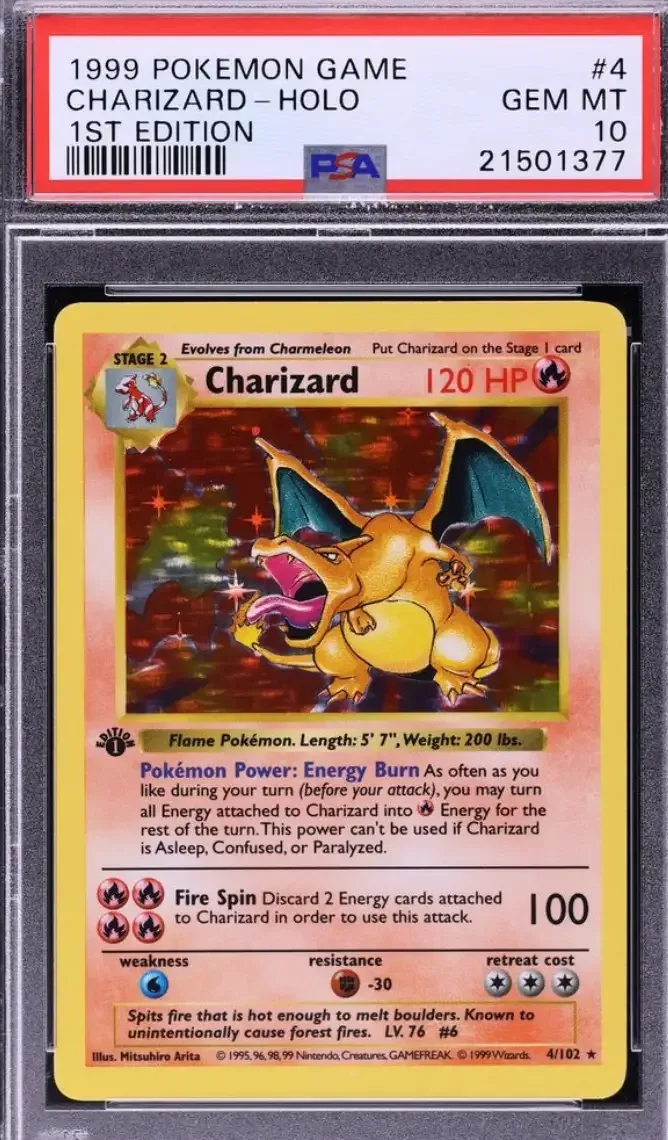
1. First Edition Shadowless Charizard PSA 10 Sells for $990,000
The week's top TCG sale was a 1999 Pokémon Base Set First Edition Shadowless Holo Charizard #4, graded PSA 10. The card sold through Fanatics Premier on November 20 for $990,000, finishing just $10,000 short of seven figures and accounting for more than a third of the top-five total.
The sale offers a comparison with another PSA 10 Shadowless Charizard that changed hands just 12 days earlier. That copy sold for $264,000 through Fanatics Weekly and was not a First Edition card. Both examples featured the Shadowless design and carried the same PSA grade, but only the $990,000 copy had the First Edition stamp. The two transactions were $726,000 apart.
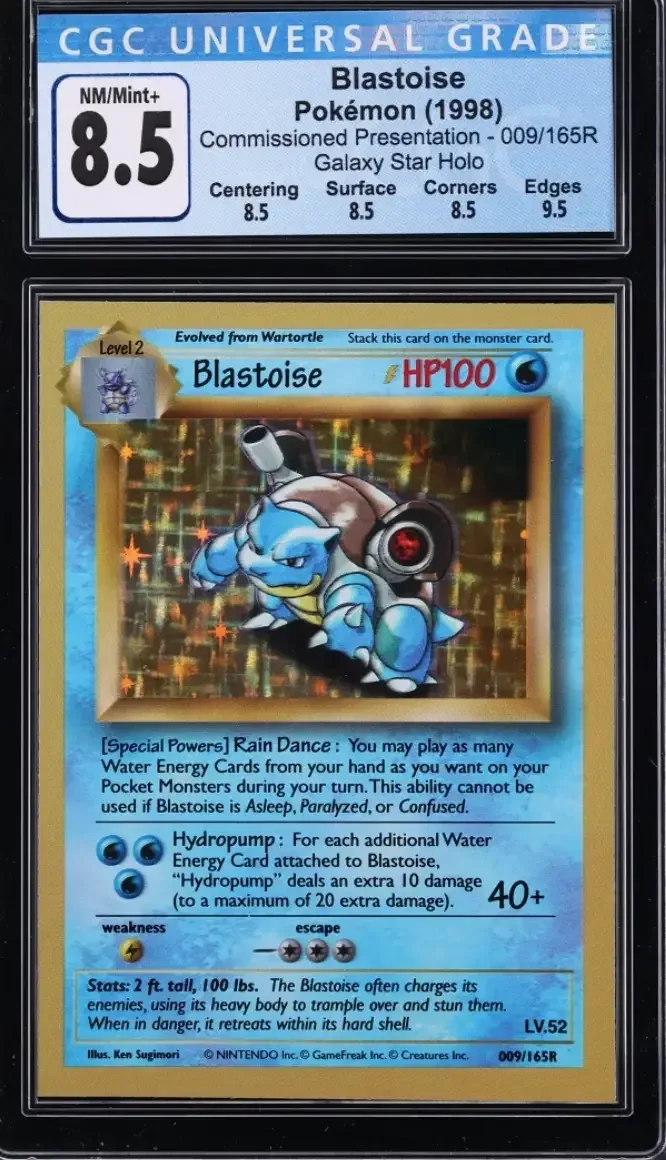
2. Presentation Galaxy Holo Blastoise Sets $630,000 Record
A 1998 Pokémon Commissioned Presentation Galaxy Holo Blastoise #009, graded CGC 8.5, sold for $630,000 through Fanatics Premier on November 20. The price set a new record for Blastoise and ranked second among the week's TCG transactions.
Unlike the Charizard, which came from Pokémon's original English-language Base Set, this Blastoise was not distributed in conventional booster packs. The presentation card was created for promotional and business purposes and is tied to early efforts to introduce the Pokémon Trading Card Game to the English-language market. It was the only other card in the weekly top five to sell for more than half a million dollars, despite carrying a grade below Gem Mint.
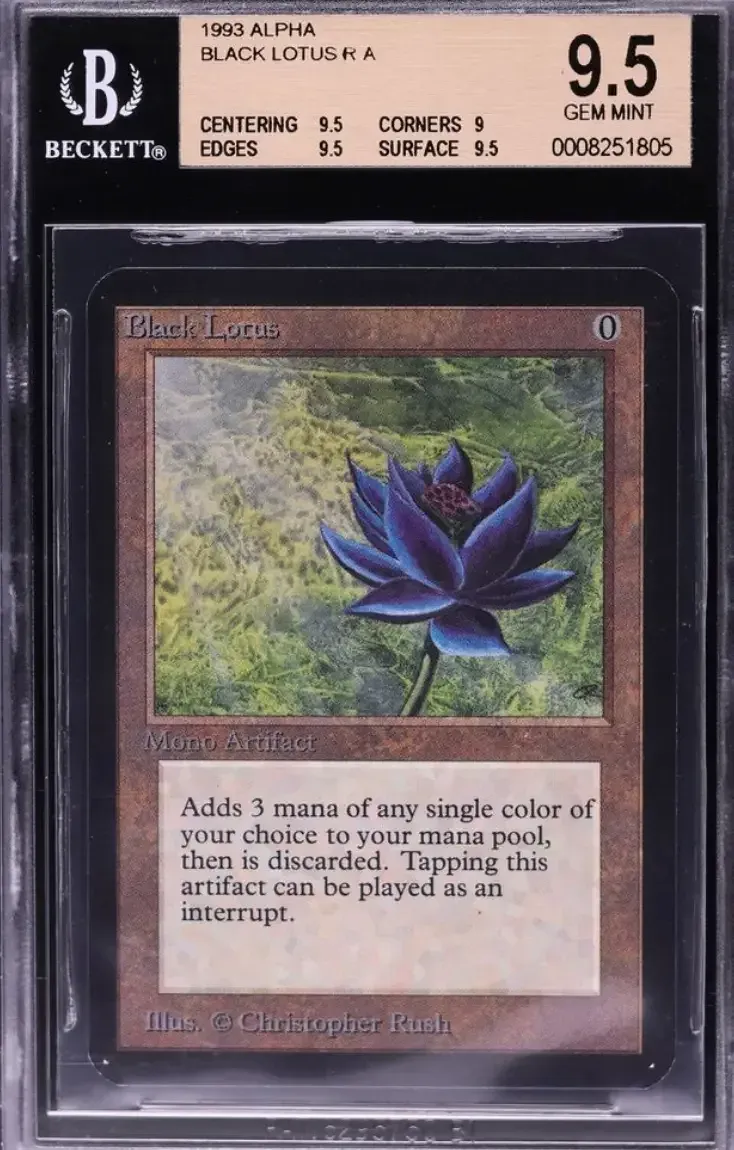
3. Alpha Black Lotus BGS 9.5 Sells for $384,000
A 1993 Magic: The Gathering Alpha Black Lotus graded BGS 9.5 sold for $384,000 through Fanatics Premier on November 20. It placed third overall, $12,000 ahead of Gold Star Pikachu, and was the only non-Pokémon card in the top five after several weeks in which Pokémon accounted for nearly every leading TCG sale.
Related coverage includes $990K Charizard Drives $2.69M Week in TCG Sales.
Black Lotus dates to Magic's original Alpha release. Its powerful in-game ability and limited early production have made it a centerpiece of high-end Magic collecting. The $384,000 result put a card from Magic's first release alongside two pieces of Pokémon's early English-language history at the top of the weekly rankings.
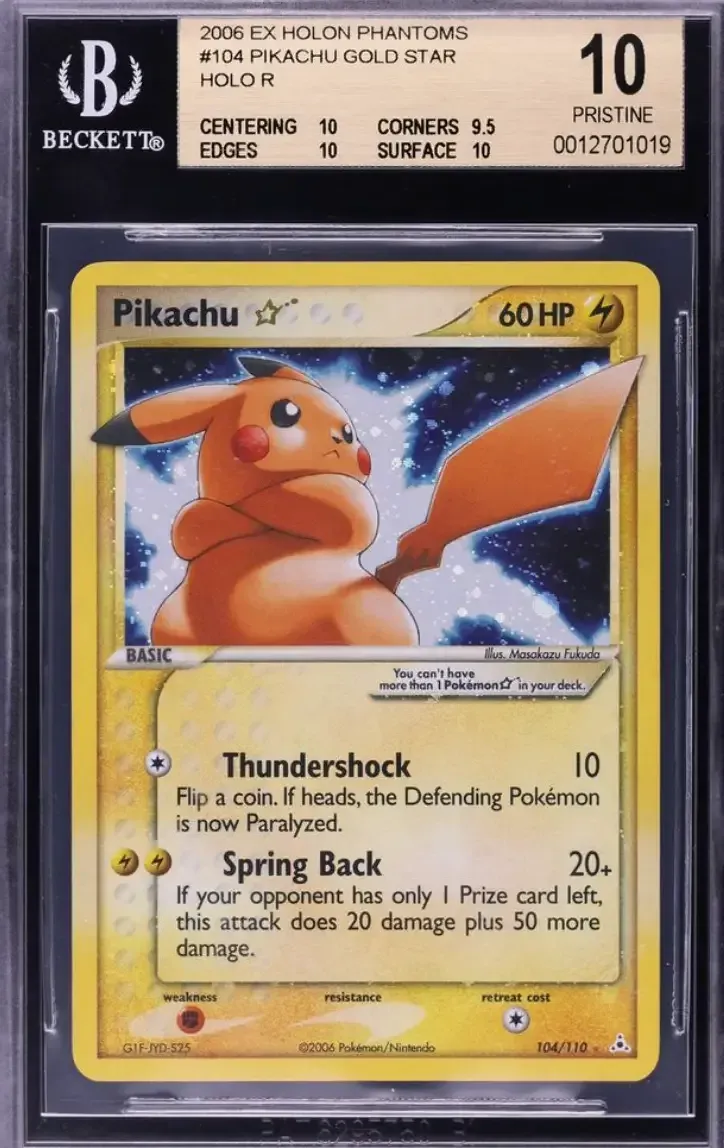
4. EX Holon Phantoms Gold Star Pikachu Sells for $372,000
A 2006 Pokémon EX Holon Phantoms Holo Gold Star Pikachu #104 sold for $372,000 through Fanatics Premier on November 20. The card carried a BGS 10 Pristine grade and depicts Pikachu in its shiny coloration, with the gold star designation that distinguishes it from other Pikachu cards.
It was the second consecutive week that a Pikachu card made the top five, but the two sales featured different releases. The previous week's entry was a Legendary Collection reverse-holo Pikachu that sold for $264,000. The EX Holon Phantoms Gold Star brought $108,000 more, with two cards from different Pokémon eras representing Pikachu in back-to-back rankings.
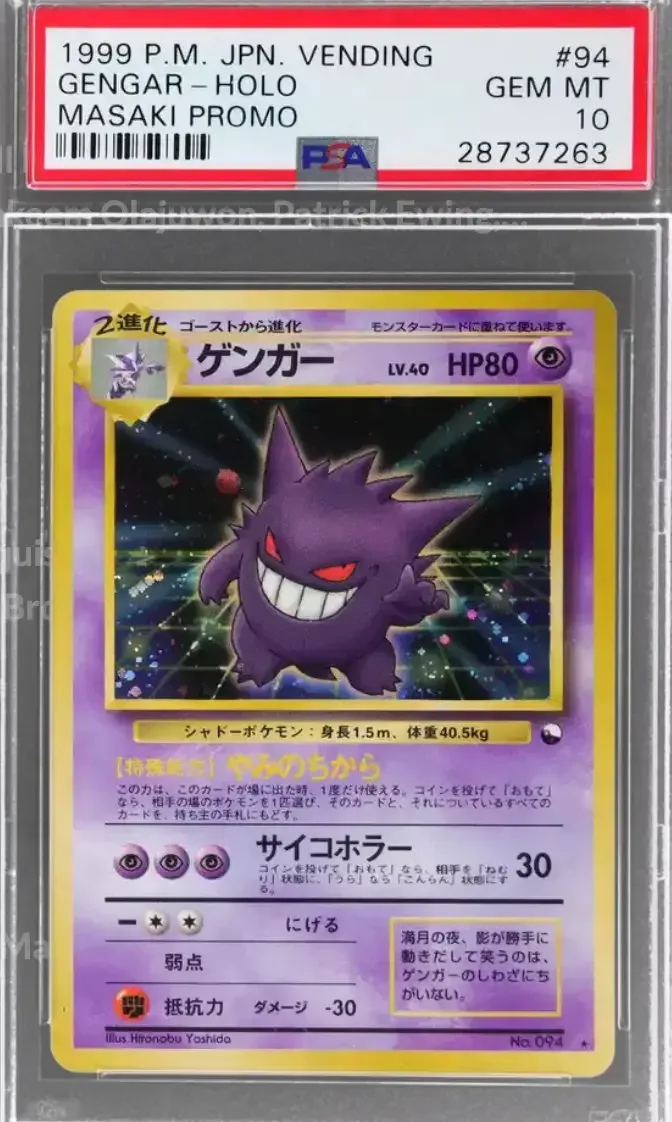
5. Japanese Masaki Promo Gengar PSA 10 Sells for $316,564.80
A 1999 Pokémon Japanese Vending Masaki Promo Holo Gengar #094, graded PSA 10, sold for $316,564.80 through ALT on November 19. It opened the run of top-five sales a day before the four Fanatics Premier transactions and was the only card in the rankings to sell on a different platform.
The Gengar originated in a Japanese mail-in promotion. Collectors had to submit specific Pokémon cards to receive special holographic versions, giving the Masaki Gengar a different distribution history from the expansion cards in the rankings. Its Japanese mail-in origins also distinguish it from the week's other Pokémon promo, the Blastoise created for presentation purposes during the game's early international expansion.

Join the Sports Card Portal Page thread for this story.
Comments
0You must be signed in to comment.
Sign In