

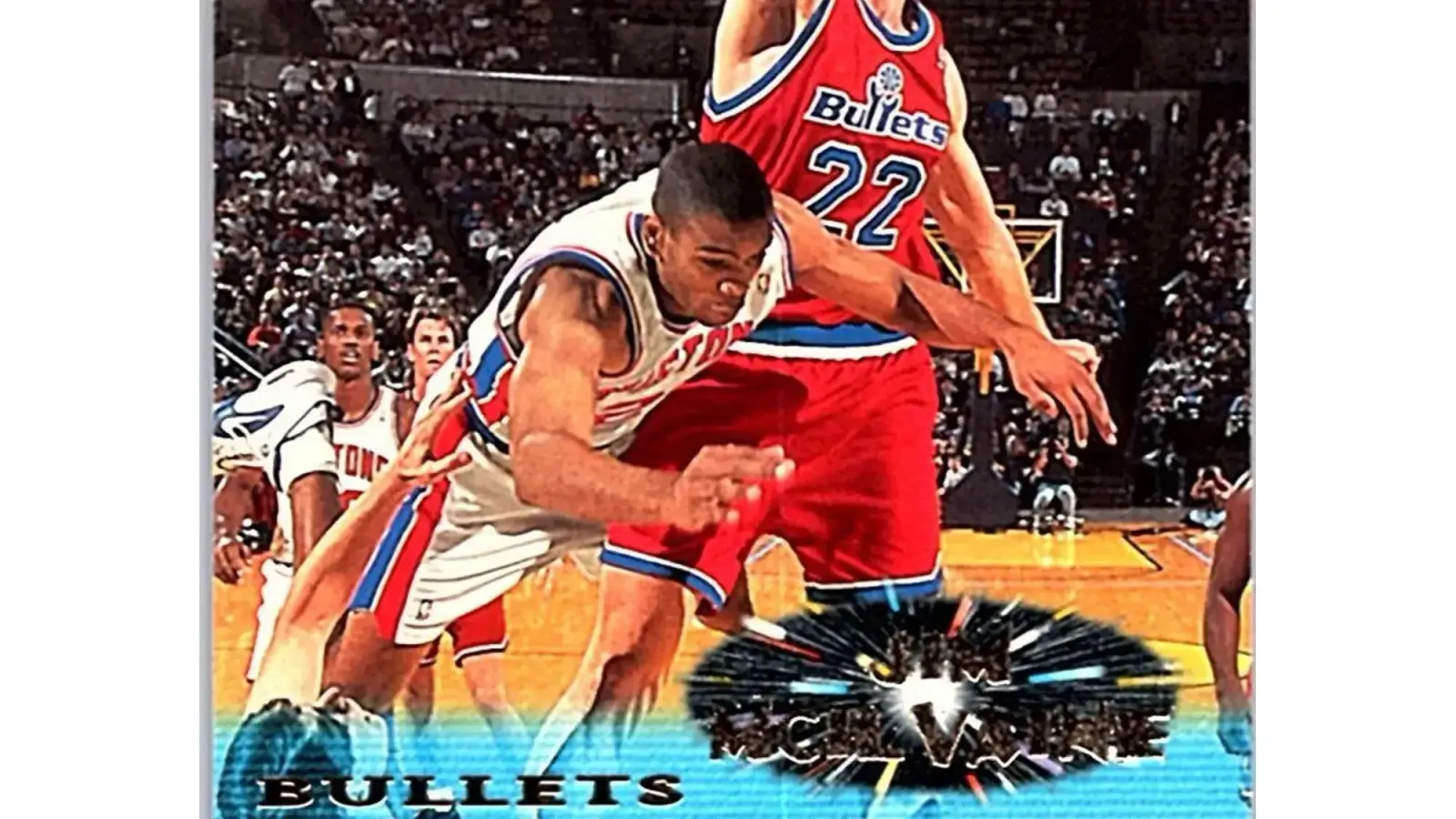
Jim McIlvaine’s collecting life started long before the NBA
Jim McIlvaine has spent years on both sides of the hobby. The former Marquette standout and seven-year NBA center has his own cards, signs his own autographs and still actively hunts down memorabilia tied to his career. He also remains a collector in his own right, with a personal stash that includes cards, jerseys and other items he has picked up over the years.
McIlvaine, a 7-foot center, played four seasons at Marquette and finished as the most accomplished defender in school history. He remains the Golden Eagles’ career blocks leader. After college, he was selected with the 32nd overall pick in the 1994 NBA Draft by the Washington Bullets and went on to play for Washington, Seattle and New Jersey.
Today, McIlvaine works in the private sector and serves as the radio color commentator for Marquette basketball. But his connection to collecting has never faded.
College cards, uncut sheets and a favorite card
McIlvaine says his favorite card is one that stands out because it includes his college coach, Kevin O'Neill, on the front. He said Signature Rookies produced the card and noted that it was unusual to see a college coach featured on a player card.
He also has an uncut sheet from that series, which he has framed and glassed on both sides so it can be viewed from either direction. According to McIlvaine, he was the only player in the set with his coach on the card.
His earliest cards came during his Marquette years in 1991-92, when college cards were produced as game giveaways. McIlvaine said he still has stacks of those cards at home and remembers trying to collect as many as possible whenever they were handed out at games.
He said the cards often came on sheets with cardboard borders and were left uncut, with four or five cards on each sheet. McIlvaine kept them all, including cards made during his later years around Marquette radio broadcasts.
Seeing his NBA rookie cards for the first time
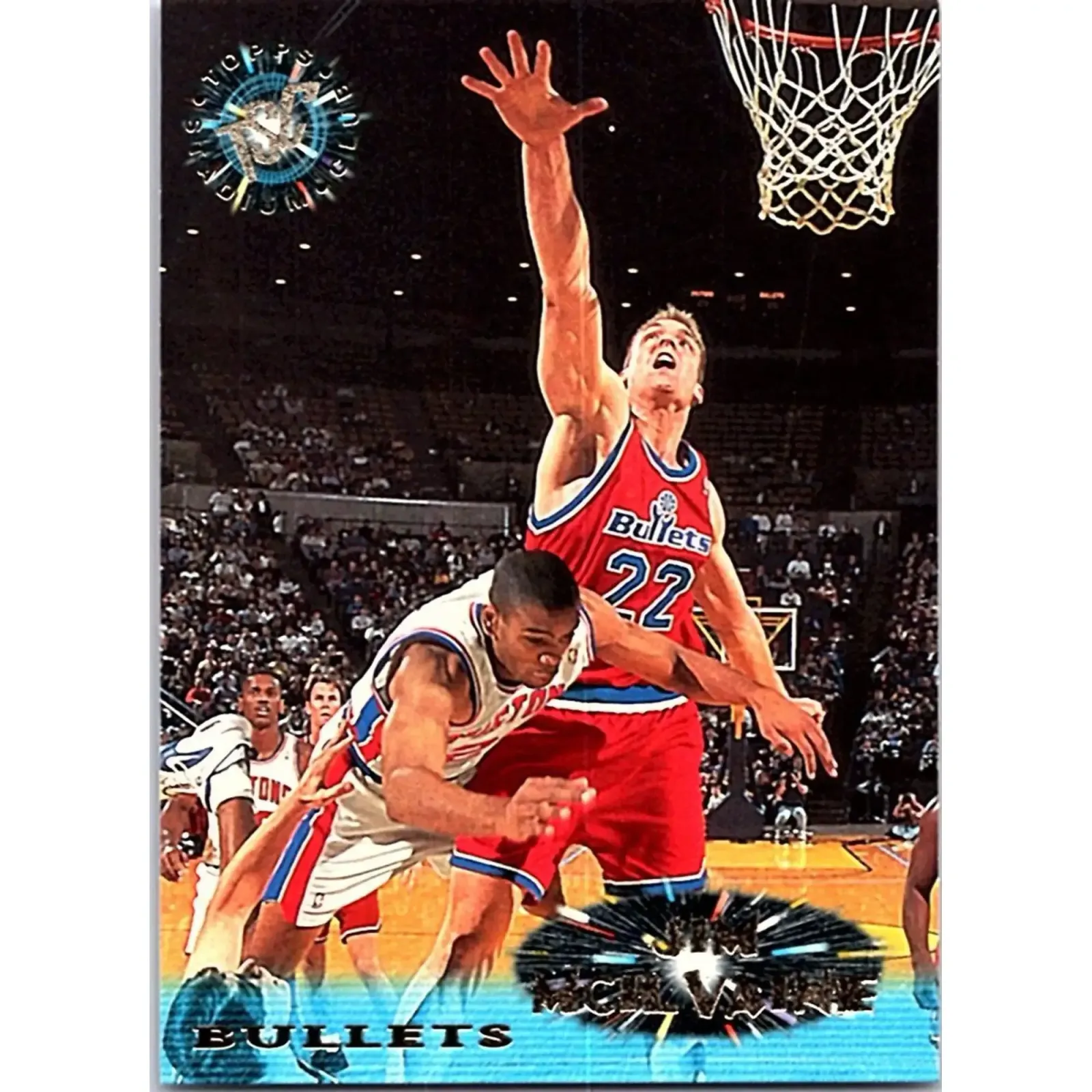
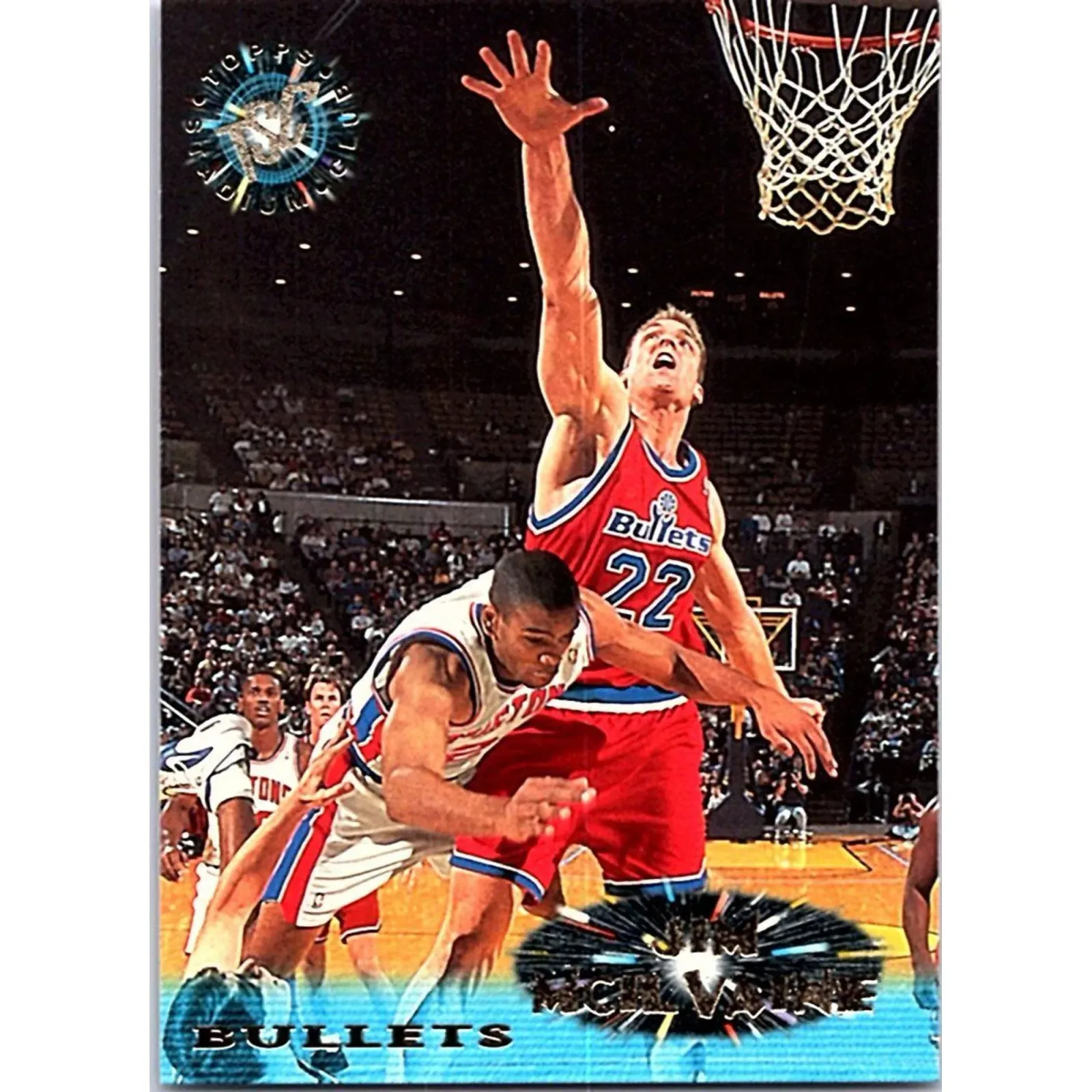
McIlvaine’s 1994 rookie cards appeared across a wide range of products, including Flair, Fleer, Hoops, Stadium Club, Topps and Upper Deck. He said the first time he saw one was in Orlando, where a fan already had his card before he had even seen it himself.
Related coverage includes Former NBA Center Jim McIlvaine Still Hunts His Own Cards and Builds a Deep Memorabilia Collection.
That moment stuck with him because, as he explained, players sign away rights through group licensing but usually do not receive their own cards from the companies. McIlvaine said that if he wants his own cards now, he often has to buy them like anyone else, even bidding on lots when they show up online.
He added that he did receive some cards from the autograph programs tied to his early releases, and he still keeps those aside rather than letting them circulate.
Signing thousands of cards, including on his honeymoon
McIlvaine’s autograph totals were substantial. He said he signed 7,750 cards for Signature Rookies and another 1,000 to 1,500 for Classic. He was given the option to sign as many as 10,000, but stopped short of that number.
He was paid a dollar per signature, and he remembered the work as part of the business of entering the hobby as a young player. He also recalled stories from other players about attempted shortcuts that did not work because companies checked signatures closely.
One of his more memorable signing sessions came during his honeymoon in Key West, Florida. McIlvaine said he and his wife had cards spread across the hotel room while heavy rain kept them indoors, and he spent the trip signing them on the coffee table and desk.
“That’s what’s paying for this trip,” he said of the stack of cards.
Autographs, fandom and the value of team signatures
McIlvaine said autograph requests started early, even in high school, though at the time he did not see much significance in them. He viewed cards and signatures through a collector’s lens and believed the value only really mattered if a player made the NBA and became successful there.
He also pointed out that a single autograph was not necessarily valuable on its own, but a full team set of signatures could be different. That perspective reflects the way he has always thought about collecting, from both the fan and player side.
Growing up in Wisconsin and building a card collection
Raised in Wisconsin, McIlvaine said he bought nearly all of his cards from wax packs at Nelson's Dime Store in Racine. He was disappointed that the store mostly carried football and baseball cards, since basketball cards were harder to find.
Even so, he built a large collection of football and baseball cards and followed the Milwaukee Brewers closely, especially during their run to the World Series against the Cardinals in the early 1980s. He also mentioned a laminated McDonald's placemat series from the early 1980s featuring American League championship teams, which he still owns.
McIlvaine also recalled the work of Wisconsin-based artist George Pollard, whose pencil sketches were sold in places such as a gas station in Waldo, Wisconsin, along Highway 57. He remembered the pieces as highly realistic and said they were part of the broader memorabilia landscape he grew up around.
Memorable fans, team-issued gear and the Basketball Basement
Among the most memorable fan interactions of his career, McIlvaine pointed to Lorin Sandretzky, known to Seattle fans as Big Lo. McIlvaine credited him with creating the defense chant and the letter D fence sign that became associated with Sonics crowds. He described Sandretzky and his friends as the kind of superfans who would meet the team at the airport after road trips, regardless of the result.
McIlvaine said he has memorabilia split between homes in Wisconsin and Florida, and that some of it can be seen through the Basketball Basement hashtag on X. His collection includes unusual items, team-issued apparel and other pieces he has picked up over the years.
He said that after his playing career, he once attended a Milwaukee Bucks garage sale at the Bradley Center and bought a large amount of team-issued sweatsuits and apparel in his size. He also mentioned finding a laminated athlete credential for Glenn Robinson from the 1991 Olympic Festival, where McIlvaine was rooming with Dan Hurley.
McIlvaine said he has also bought autographed jerseys at charity auctions, sometimes holding onto them until he can return them to the players if he sees them later. He described that as part of the hobby, not something he does to flip items for profit.
Custom jerseys made for Jimmy Buffett and Buddy Guy
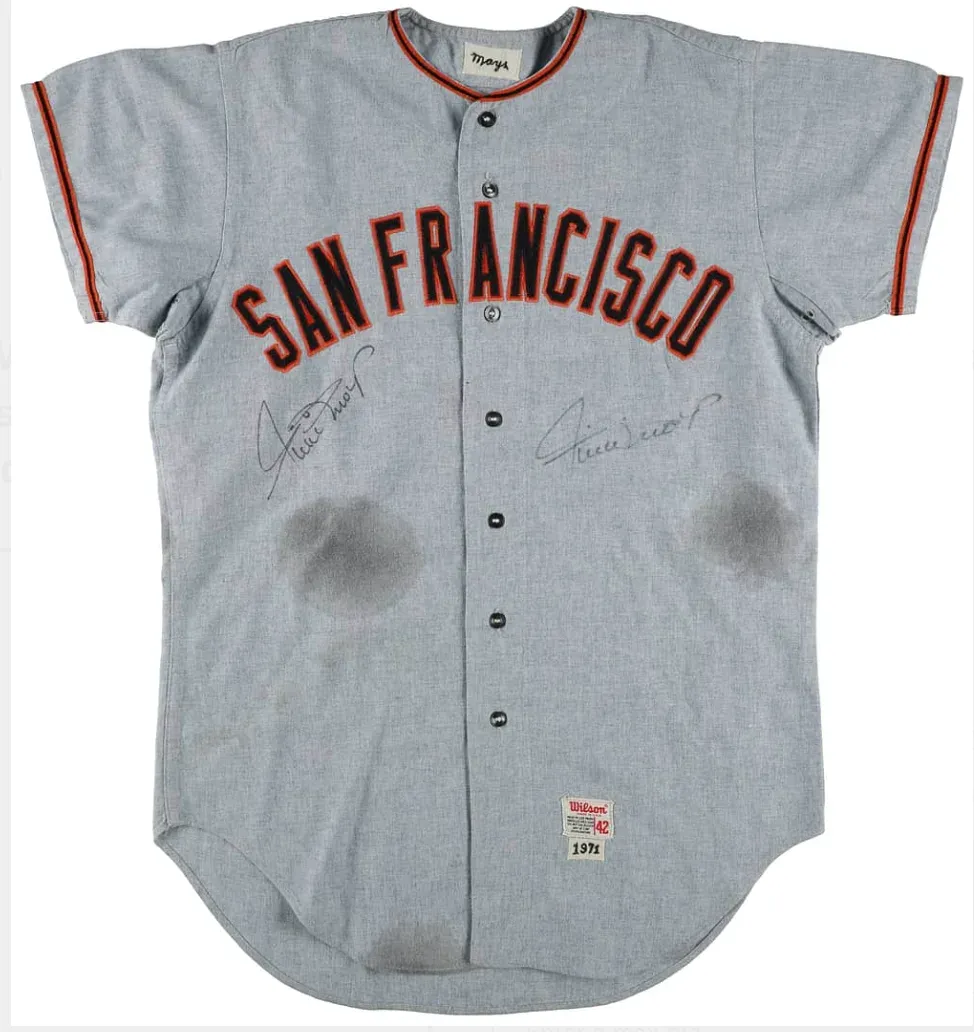
One of the more unique parts of McIlvaine’s memorabilia story involves custom jerseys made for him by Marc St. Yves, the Seattle SuperSonics equipment manager. McIlvaine said he traded cases of Labatt’s Blue for jerseys made with his number and Jimmy Buffett’s name on the back.
He was a longtime Buffett fan and had chosen the singer’s high school number for his own NBA number. McIlvaine said he gave one of the jerseys to Buffett backstage at a Tacoma show. The jerseys were made to fit McIlvaine, which meant they were too long for Buffett to wear on stage.
He also had a New Jersey Nets jersey made for Buddy Guy, who shares a birthday with him. McIlvaine said the jersey had Guy and the number 30 on it, and that Buddy Guy joked he should have worn number 1 instead.
Why jersey swapping was not simple for every player
McIlvaine said jersey swapping was not always realistic during his era because teams did not make large numbers of jerseys for every player. He explained that stars such as Gary Payton and Shawn Kemp likely had many more extras available, while role players often had only a handful of home and road jerseys made each season.
That made the modern idea of swapping with multiple opponents much harder for him personally. If he were to choose one player from his era for a swap, he said Hakeem Olajuwon would be the likely choice, based in part on the posters he had growing up.
McIlvaine said his childhood wall also featured Julius Erving and Marques Johnson, but Olajuwon was the only one still active when he entered the league.
The kind of card back he would want
Asked what fact he would want listed on the back of a card, McIlvaine said he would choose something that reflected his personality beyond basketball. His answer was simple: he would want the world to know he is an avid water skier, ideally with a cartoon image of him skiing behind a boat.
For a player whose cards already span college issues, draft sets and NBA rookie releases, McIlvaine’s hobby story has become part of the appeal. He remains both a subject of the card market and a collector who still enjoys the hunt.
Join the Sports Card Portal Page thread for this story.
Comments
0You must be signed in to comment.
Sign In