

PSA Theft Raises New Questions for Collectors
The theft of 6,451 PSA-certified trading cards from a FedEx truck has left collectors wondering whether the missing items will ever be returned to their rightful owners. It has also raised another concern for the hobby: what happens if those cards eventually resurface in the marketplace?
The cards could remain in their PSA holders or be removed and sold as raw cards, which would make them harder to identify. They could show up at card shows, in collector groups, or on established online marketplaces. There is no confirmed timeline or location for where any of the stolen cards might appear, but collectors can take several practical steps to reduce the risk of buying one.
Start With the PSA Certification Number
The most direct place to begin is PSA’s stolen-card list. PSA has published the certification numbers and descriptions for all 6,451 stolen items, giving buyers a way to compare a card against the missing inventory before making a purchase.
That is especially important for higher-end PSA-graded cards. If a certification number matches one on the stolen list, that is an immediate warning sign. PSA’s certification verification tool can also help buyers confirm whether a number is active or has been deactivated.
For collectors shopping online or in person, checking the certification number should be part of the normal buying process whenever a PSA-graded card is involved. A quick verification can prevent a costly mistake and may reveal whether a card has been flagged by PSA.
Do Not Assume a Raw Card Is Safe
One of the biggest challenges in this situation is that removing a card from its PSA holder also removes the visible certification number. Once that happens, a stolen card can look like any other raw copy of the same issue.
That means buyers should not assume an ungraded card is automatically free of risk. A raw card is not suspicious on its own, and there is no reason to avoid raw cards altogether. But expensive raw purchases deserve extra attention, especially when the same card appears on PSA’s stolen list.
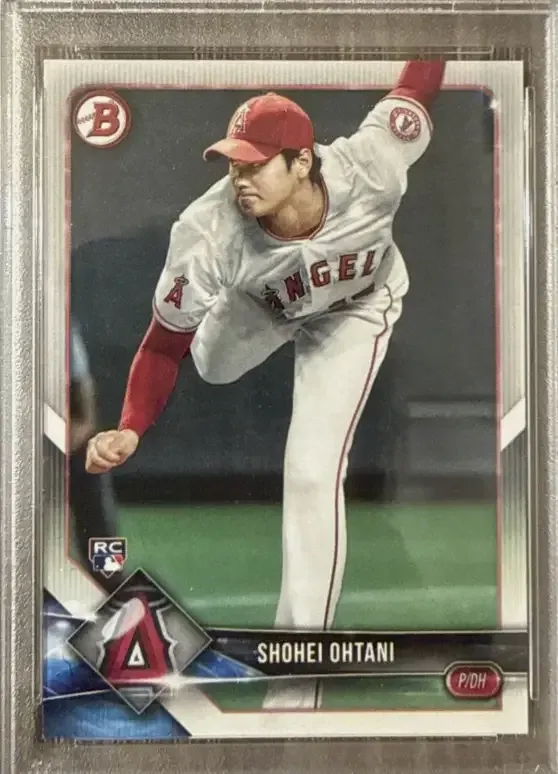
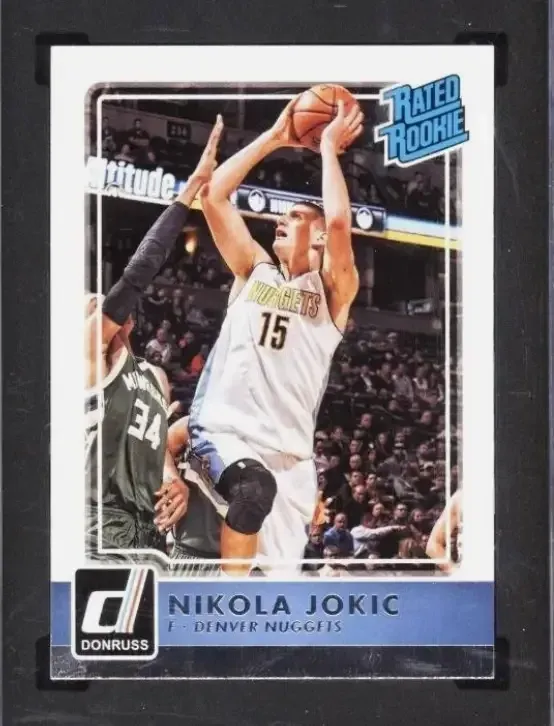
Examples from the stolen inventory include 2018 Bowman Shohei Ohtani and 2015 Donruss Nikola Jokić cards. The fact that those cards are listed does not mean every copy is stolen. It does show how difficult it can be to identify a specific card once it is out of its holder and separated from its certification information.
Related coverage includes How to Avoid Buying Stolen PSA Cards After the 6,451-Card Theft.
Watch the Seller and the Price
Collectors should also pay close attention to the seller. A price that looks far below market value is worth a closer look, even if the card itself appears legitimate. A bargain does not prove theft, but it should prompt questions about why the item is priced so aggressively.
Common warning signs include pressure to buy immediately, vague answers about the card’s history, or explanations that do not line up with the market. Buyers should compare the asking price with recent sales and consider whether the deal makes sense before moving forward.
It is also smart to buy from sellers with a track record. Established dealers, auction houses, and marketplaces with buyer protections can offer an added layer of security. Even reputable businesses can unknowingly acquire stolen merchandise, but they may have more resources to investigate suspicious cards and resolve issues if concerns arise.
PSA has shared its stolen-card list with marketplace sellers, auction houses, and digital platforms that are monitoring for the missing cards. That makes it even more important for buyers to review seller history, platform protections, and the overall credibility of the listing before completing a purchase.
Ask for Provenance on Higher-Value Cards
For expensive cards, provenance matters. Auction listings, receipts, and grading records can help establish a card’s history and provide some confidence that the item has changed hands legitimately.
PSA’s archived images may also help buyers compare identifying details, even if a card has been removed from its holder. That can be especially useful when a card has a distinctive look or visible marks that can be matched against older records.
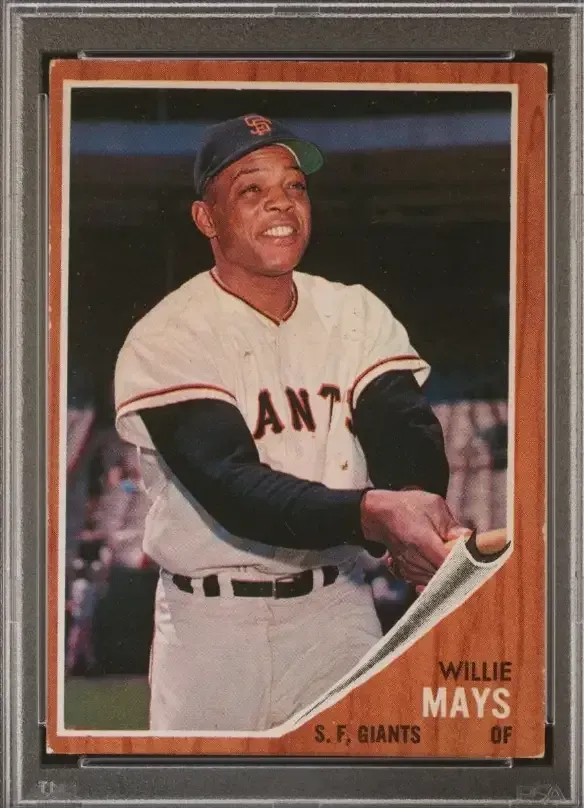
This is particularly relevant for vintage cards, such as the 1962 Topps Willie Mays card included on the stolen list. Not every seller will have a complete ownership trail, but asking for whatever documentation exists is a reasonable step when the card is valuable.
Provenance will not solve every problem, but it can help separate ordinary private sales from listings that deserve more scrutiny. The more expensive the card, the more important it becomes to ask where it came from and how long the seller has had it.
Know When to Walk Away
If a seller refuses basic questions, pushes for payment without buyer protection, or becomes evasive when asked for details, the safest move is to walk away. A legitimate seller should be able to answer reasonable questions about the card, the certification number, or the item’s history.
Collectors should also trust their instincts. If something feels off about a listing, a seller, or a private deal, it is better to pass than to take an unnecessary risk. A suspicious card can always be reported later, but a bad purchase can be difficult to unwind.
If a listing appears to match a stolen card, PSA advises saving the details and reporting the concern through the FBI contact information included in PSA’s theft update. Buyers should avoid confronting the seller directly or making public accusations without confirmation.
Why Collector Awareness Matters
Most collectors are honest people who care about the hobby. That is part of what makes the theft of thousands of PSA-certified cards such a concern. Once stolen items enter circulation, identifying them becomes more difficult, especially if they are removed from their holders or sold through casual channels.
Still, the collecting community can play an important role in limiting the damage. A few simple checks, a careful look at seller behavior, and a willingness to ask questions can go a long way toward protecting buyers and helping keep stolen cards out of circulation.
In a market where condition, certification, and provenance all matter, the safest purchases are the ones that can be traced, verified, and supported by clear information. A great deal is only a great deal if the card rightfully belongs to the person selling it.


Join the Sports Card Portal Page thread for this story.
Comments
0You must be signed in to comment.
Sign In