

PSA Theft List Goes Beyond the Headliners
When PSA released its list of 6,451 cards stolen from a FedEx truck, collectors immediately focused on the biggest names. Michael Jordan, Babe Ruth, Shohei Ohtani, rare autographs, and high-end parallels were among the cards that drew the most attention, and for good reason. Those are the kinds of items that can command major prices and dominate the conversation whenever a theft of this scale hits the hobby.
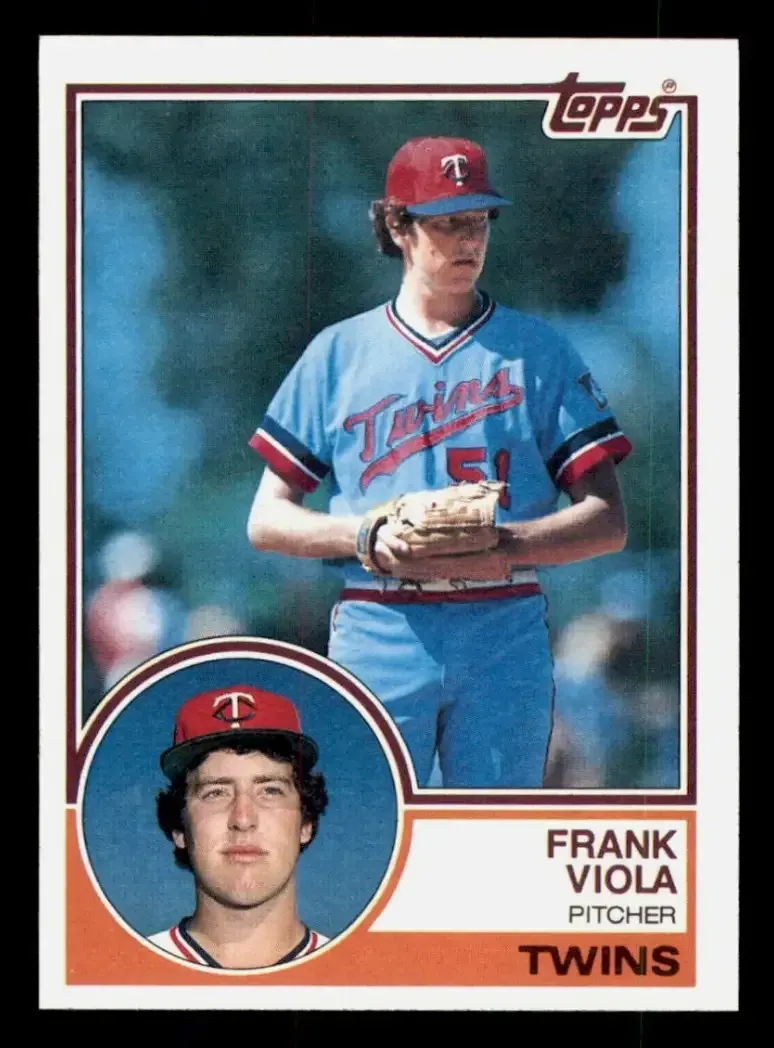
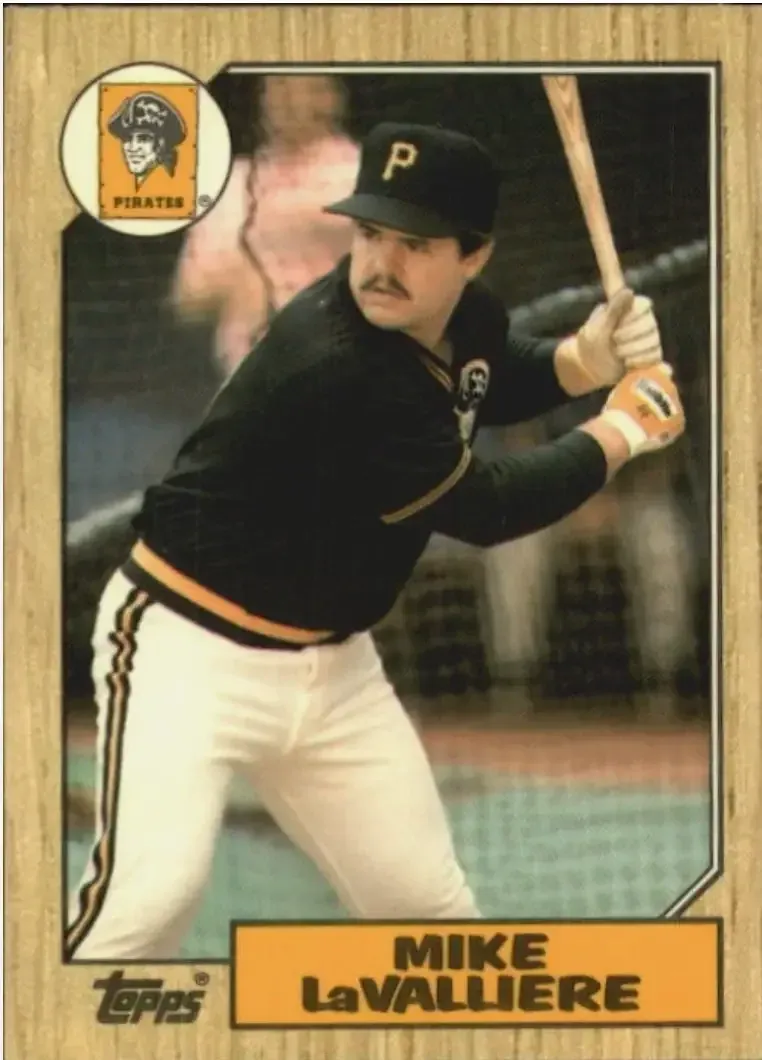
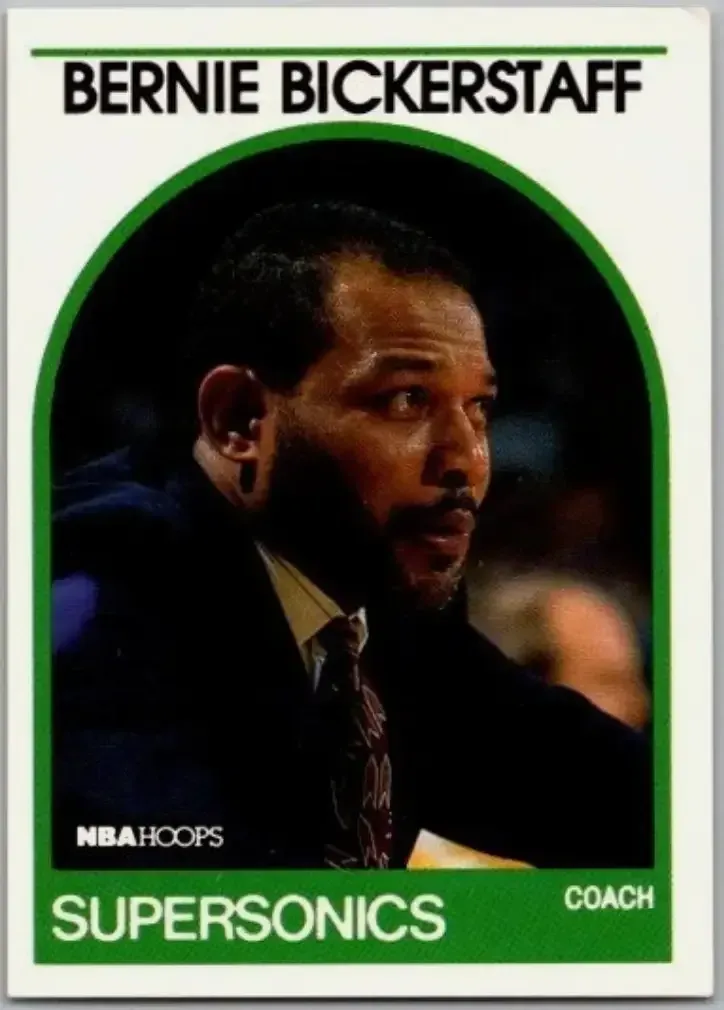
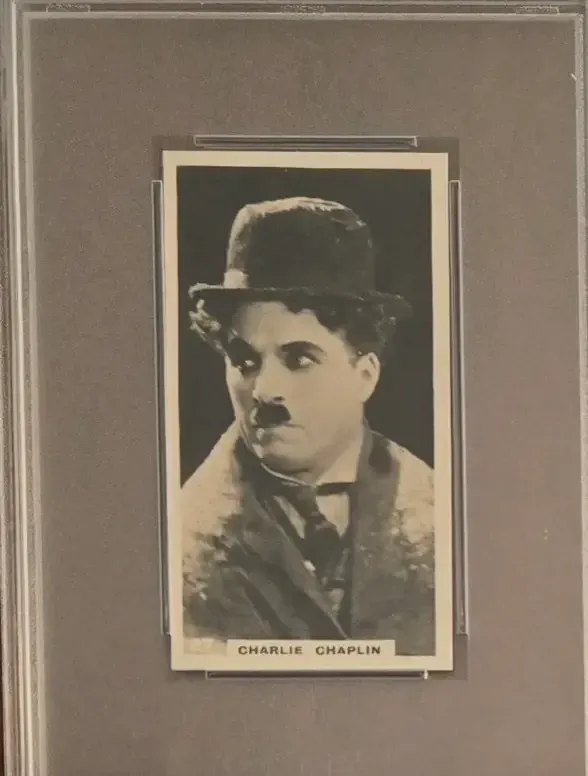
But a closer look at the full 93-page list shows a different side of the story. Mixed in with the marquee cards are hundreds of entries that may not make headlines, but still matter deeply to the collectors who submitted them. Frank Viola. Bernie Bickerstaff. Charlie Chaplin. Mike LaValliere. These are not the names most people would expect to see attached to a major card theft, yet they appear throughout the list in surprising numbers.
That contrast is part of what makes the theft so unsettling. The most valuable cards will always attract the most attention, but the hobby is built on more than market value. For many collectors, the cards that matter most are the ones tied to personal history, player loyalty, or the challenge of completing a set.
Frank Viola Cards Among the Missing
One of the more unexpected groups on the list centers on former Cy Young Award winner Frank Viola. PSA's stolen-card list includes about 30 cards featuring Viola, including his 1983 Topps #586 card and a 1989 Upper Deck #691 Twins checklist.
For more collecting context, read Formula 1 Autograph Card Collecting Guide: Authentication, Checklists, and Product-Specific Caveats.
Those are not the kind of cards that usually headline a theft story, but they are exactly the sort of items that can be important to a dedicated collector. A checklist card from a favorite team set or a well-loved player can be just as meaningful as a more expensive rookie or autograph, especially if the goal is to assemble a complete graded run.
The list also includes a group of Mike LaValliere cards, among them his 1987 Topps Traded Tiffany #61T and a 1992 Upper Deck #113 Gold Hologram variation. The source does not disclose the grades of the missing cards, so there is no way to know whether these were high-grade examples or lower-end submissions. That uncertainty leaves open the possibility that some of these cards were submitted for condition-sensitive collecting rather than pure resale value.
Even so, grading is not a casual expense. PSA's pricing and backlog issues underscore how much effort can go into sending in a large number of cards. As of October 2026, PSA's lowest available service level costs $59.99 per card, while Value options are temporarily paused as the company works through a backlog of 7.2 million cards. For collectors submitting dozens of cards, even lower-cost older submissions can represent a significant investment.
Related coverage includes PSA/FedEx Theft Highlights the Personal Value of Overlooked Cards.
That makes the presence of so many modestly valued cards on the stolen list especially interesting. Someone chose to submit them, which suggests a collecting goal that went beyond simple market speculation.
Why Collectors Grade Commons and Checklists
At first glance, cards like Frank Viola checklists or Mike LaValliere commons might seem like unusual candidates for grading. But many collectors pursue exactly those kinds of cards for reasons that have little to do with headline value.
Some collectors chase PSA 10s of cards they remember pulling as kids. Others build complete graded team sets or player runs. Some are filling stubborn gaps in a long-term project that has taken years to finish. In those cases, the card itself may be common, but the search for the right copy is anything but.
The grades of the stolen cards are not publicly known, so it is impossible to say whether these were premium-condition submissions or cards sent in for personal reasons. What is clear is that grading decisions often reflect the collector's story as much as the card's market price.
That is one reason the theft has resonated so strongly across the hobby. The list is not just a catalog of expensive inventory. It is also a snapshot of individual collecting habits, preferences, and projects that may now be impossible to replace.
Basketball Commons and Unexpected Names
The list becomes even more interesting outside baseball. Among the missing cards are 1989 Hoops entries for Bernie Bickerstaff and Dan Schayes. Neither player is likely to be the first name most collectors think of when they picture that set, especially with so many iconic rookies and stars associated with 1989 Hoops.
Still, the presence of those cards makes sense in a hobby where set completion and condition matter. A collector working on a high-grade run does not necessarily stop at the biggest stars. Sometimes the toughest cards to track down are the commons and role players that tend to be overlooked, handled heavily, or discarded over time.
That is part of the appeal of these unexpected entries. They remind collectors that a set is more than its chase cards. Every slot matters to someone, and every card can become important once a collector decides to pursue it in top condition.
Charlie Chaplin Cards Add Another Layer
The list also reaches far beyond modern sports. PSA's stolen-card inventory includes roughly 20 entries featuring Charlie Chaplin, one of the most recognizable figures in entertainment history. Among them are a 1926 Lambert & Butler #27 Type 2 card and a 1934 Wills Famous Film Stars #71 small-format card.
These vintage non-sports cards highlight just how broad the hobby can be. Collectors do not limit themselves to baseball, basketball, or football, and the stolen list reflects that wider world. Chaplin cards, in particular, have long appealed to collectors of film memorabilia and vintage non-sports issues, where age, scarcity, and eye appeal can matter as much as star power.
A PSA 7 of the 1926 Lambert & Butler card recently sold for $252, which is not a life-changing figure but still shows that these cards carry real collector interest. More importantly, cards like these can be difficult to replace. Finding another copy of a century-old card is one challenge. Finding one with the same condition, presentation, and appeal is another.
For collectors who focus on vintage entertainment issues, the loss of cards like these can be especially painful. They are not just pieces of cardboard. They are artifacts tied to a specific era, a specific image, and often a very specific collecting journey.
More Than Market Value
The theft has prompted understandable concern about the most valuable cards on the list, but the less obvious entries may be the most revealing. A price guide can estimate a card's market value or help with insurance and replacement discussions, but it cannot measure what a card means to the person who owns it.
That is why the presence of Frank Viola checklists, Bernie Bickerstaff commons, and Charlie Chaplin vintage issues stands out. These are the kinds of cards that often represent personal collecting goals rather than investment strategies. They may have been part of a favorite player run, a team set, a childhood memory, or a long-term project that took years to build.
Collectors know that some of their favorite cards are not the most expensive ones. Sometimes they are the hardest to find. Sometimes they are the ones tied to a player or subject that never left your mind. And sometimes they are simply cards that caught your eye and stayed with you.
What the Stolen List Says About the Hobby
The PSA theft list offers a reminder that the hobby is built on a wide range of interests. The biggest stars will always dominate the headlines, but the full scope of collecting is much broader. It includes common cards, checklists, vintage entertainment issues, and obscure variations that may matter deeply to one collector and barely register to another.
That diversity is part of what makes the loss so troubling. The stolen items are not just high-dollar assets. They are pieces of personal collections assembled with care, patience, and often significant expense. Some may have been submitted for grading as part of a long-running project. Others may have been sent in because the owner wanted to preserve a favorite card in a slab. Some may have been part of a larger set that was nearly complete.
As the hobby waits for more information, collectors are left hoping that authorities recover the missing cards and return them to their rightful owners. Until then, the list serves as a stark reminder that the cards people value most are not always the ones with the biggest price tags.
For many collectors, the real loss is not just the card itself, but the story behind it.
Join the Sports Card Portal Page thread for this story.
Comments
0You must be signed in to comment.
Sign In