


Card protection sounds simple until you actually have to choose between a penny sleeve, a top loader, a semi-rigid holder, and a magnetic case. Each one solves a different problem, and the wrong choice can create friction later, especially if you plan to submit cards for grading.
The safest way to think about these products is by purpose. Some holders are built to reduce surface wear during everyday handling. Others are designed to secure cards for shipment. A third category is made primarily for presentation. Once you separate storage, display, and submission, the decision gets much easier.
That distinction matters because grading companies are not vague about packaging. PSA and Beckett both spell out submission expectations, and those instructions are not the same as what collectors use for desk storage or display. A holder that feels sturdy is not necessarily the holder that a grader wants to open.
The practical answer for most collectors is straightforward: start with a penny sleeve, move to a semi-rigid if the card is headed to grading, use a top loader when you want rigid temporary storage, and treat magnetic holders as display-first products. The details below explain where each option fits, where it does not, and what mistakes cost collectors the most time.
What is each holder actually for?
The four main card protection formats are not interchangeable. A penny sleeve is the thinnest layer, meant to create a soft barrier around the card. A semi-rigid holder is a shipping-friendly sleeve with more structure, usually used when cards are being submitted to a grading company. A top loader is a rigid plastic shell for storage and handling. A magnetic holder is a display-style rigid case that usually prioritizes presentation over submission workflow.
That basic breakdown is consistent across hobby manufacturers and grading-service instructions. PSA tells submitters to place cards in clear penny sleeves before inserting them into semi-rigid holders. Beckett likewise directs submitters toward oversized semi-rigids. By contrast, BCW and Ultra PRO describe top loaders and magnetic holders as protective or display products, not the standard submission path.
So the first question is not which holder is best in general. It is which holder is best for this card at this moment. A common base card that you just opened is a very different use case from a vintage card headed to grading or a showcase card on your desk.
- Penny sleeve: thin inner protection and the usual first step.
- Semi-rigid holder: the standard grading-submission choice.
- Top loader: rigid temporary storage and handling protection.
- Magnetic holder: display-first protection with quick access.
Why do penny sleeves come first?
Penny sleeves matter because they reduce direct contact. They are not glamorous, but they are the first line of defense against small scratches, edge rub, and handling wear. For a collector moving cards in and out of boxes or loaders, that thin layer often does the most important work at the lowest cost.
PSA’s current guidance explicitly tells submitters to use clear penny sleeves, and it cautions against solid or opaque sleeves for grading submissions. Ultra PRO’s toploader guidance also recommends sleeving a card before putting it into a rigid holder so the card is not rubbing directly against plastic. That is a useful reminder even outside the grading context.
The practical mistake is assuming a sleeve is optional for cards that feel “safe” in a rigid holder. If a card is worth protecting, the sleeve is usually the correct first move. It is especially useful when a card may later be moved into another holder, because the sleeve keeps handling friction low during transfers.
- Use a penny sleeve before almost any other holder.
- Choose clear sleeves for grading submissions.
- Do not treat rigid plastic alone as enough surface protection.
- Sleeves are most useful during handling, sorting, and transfers.
When should you choose a semi-rigid holder?
Semi-rigid holders are the best answer when a card is headed to a grading company and you want the package to match submission expectations. PSA says to sleeve the card first and then slide it into a semi-rigid holder. Beckett’s submission guidance also points collectors to oversized semi-rigid holders, often referenced in the hobby through Card Saver-style products.
The reason semi-rigids are favored is practical. They hold the card securely enough for shipping, but they still allow grading staff to remove the card without dealing with the disadvantages of fully rigid packaging. PSA is explicit that top loaders are not the preferred submission format, and that non-conforming packaging can slow processing.
There is also a size component. PSA’s guidance gives a standard trading-card semi-rigid dimension, so the holder choice is not just about the category but about the specific fit. That matters because a loose or oversized fit can be just as problematic as a holder that is too tight.
- Best choice for PSA and Beckett submissions.
- Use with a clear penny sleeve inside.
- Matches grading-company handling expectations better than rigid holders.
- Check size and fit, not just the product category.
Why are top loaders still so popular?
Top loaders remain one of the most familiar card holders because they are simple, rigid, and inexpensive. They give a card a hard shell for temporary protection, sorting, trading, or mailing in non-grading situations. BCW and Ultra PRO both describe top loaders as rigid protective holders, which reflects their main hobby use.
That said, rigidity is both the advantage and the limitation. A card can move differently in a top loader than in a semi-rigid, and that difference is one reason grading companies prefer other packaging. PSA specifically says not to submit cards in top loaders, hard acrylic snap cases, or screw-down holders. It may remove the card from that packaging and may not return the holder.
So top loaders are best thought of as a storage and handling tool, not a submission standard. If you are organizing a collection, setting aside trades, or keeping a card protected at your desk, they are still useful. If the destination is a grading service, they are usually the wrong first choice.
- Good for temporary rigid storage and handling.
- Useful for trades, sales, and short-term organization.
- Not the preferred grading-submission holder.
- PSA says not to submit cards in top loaders.
Where do magnetic holders fit?
Magnetic holders live in the display-and-presentation category. They are attractive, rigid cases that make a card look finished and ready to show. BCW describes magnetic holders as two-piece display/protection cases, and Ultra PRO positions related products in the same space, with an emphasis on visual presentation and convenient handling.
The key thing collectors should understand is that display value does not automatically translate into submission value. Ultra PRO’s own guidance for thick cards notes that grading companies typically want cards sent in a different format, not in a magnetic one-touch style holder. That makes magnetic holders a poor default for grading submissions, even if they feel premium in the hand.
They are most useful when the card is staying in your collection and you want a better presentation than a top loader provides. They are also handy when you want easy access without constantly removing a card from a sleeve and semi-rigid. In other words, magnetic holders are great for display, but they are not the normal answer for grading.
- Best for display and presentation.
- Good for cards you want to handle often without a flimsy feel.
- Usually not the right format for grading submission.
- Premium-looking does not mean grader-approved.
Which holder should you use for grading submissions?
If the card is going to PSA or Beckett, the safest general answer is penny sleeve plus semi-rigid holder. That is the packaging path both companies describe in their current guidance. It is the least ambiguous option and the one most directly aligned with what graders expect to see when they open a submission.
PSA is especially clear about what not to do. It warns against top loaders and similar rigid packaging, and it states that non-conforming holders can affect processing. Beckett’s guidance also points toward semi-rigid holders and specifies current submission handling rules. Because service terms can change, it is always smart to confirm the company’s live instructions right before shipping.
The most useful rule is simple: submit the card the way the grader asks for it, not the way a collector might store it at home. A card can be perfectly safe in a top loader on your shelf and still be packaged incorrectly for grading. Those are different tasks, and the holders are designed for different ones.
- For PSA and Beckett, use a penny sleeve plus semi-rigid holder.
- Do not assume a rigid holder is acceptable just because it protects well.
- Check current submission instructions before sending.
- Storage logic and grading logic are not the same thing.
How do you choose for storage, sales, or trade nights?
For short-term storage, the decision is usually about balance. A penny sleeve plus top loader gives a card cheap rigidity and decent handling protection. That works well for common cards, cards waiting to be sorted, or cards you want to keep from bending while you decide what to do next. If the card is thicker or you plan to open and recheck it often, a magnetic holder may feel nicer but is less universal.
For selling or trading, top loaders still have a practical advantage because many collectors know exactly what they mean at a glance. They are easy to stack, label, and transport. Magnetic holders offer a better presentation, but they can be bulkier and are often overkill for routine swaps. Semi-rigids are less popular for casual storage because they are more submission-oriented than display-oriented.
The best choice depends on the card’s role. If the card is sitting in a box, the simple and familiar setup usually wins. If it is being shown, a magnetic holder may make sense. If it is going to be graded, the holder choice should shift toward the submission standard instead of the most polished-looking option.
- Use top loaders for everyday rigid storage and transport.
- Use magnetic holders when presentation matters more than submission.
- Keep semi-rigids reserved for grading paths when possible.
- Match the holder to the card’s near-term job.
What mistakes cause the most frustration?
One of the most common mistakes is putting a card straight into a rigid holder with no sleeve. That may feel quick, but it leaves the surface more exposed during movement and storage. Another common error is using tape, pull tabs, or sticky notes in grading packaging. PSA specifically warns against those add-ons, which can create more problems than they solve.
A second mistake is assuming that a certification number alone proves a slab is genuine. PSA says certification verification does not eliminate risk, and that forged documents and label counterfeits can use real numbers. That means a lookup is helpful, but it should not be treated as the end of the check. For expensive cards, the holder, label, seller, and cert should all be considered together.
The final mistake is treating every holder as if it solves every problem. A display case is not a submission case, and a submission case is not necessarily the most convenient home-storage solution. Collectors save time and reduce mishandling when they choose the holder that matches the use case instead of the one that simply feels toughest.
- Do not skip the sleeve before rigid protection.
- Avoid tape, pull tabs, and sticky notes in submissions.
- Do not rely on cert lookup alone for expensive slabs.
- Display products and grading products serve different purposes.
How do authenticity and grading differ once a card is encapsulated?
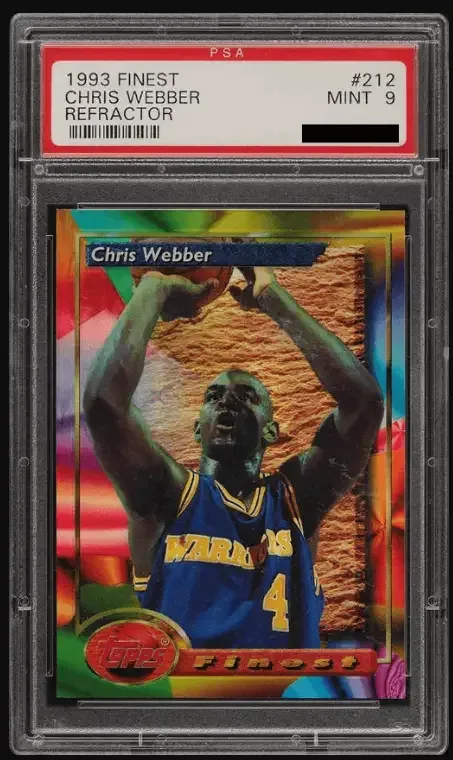
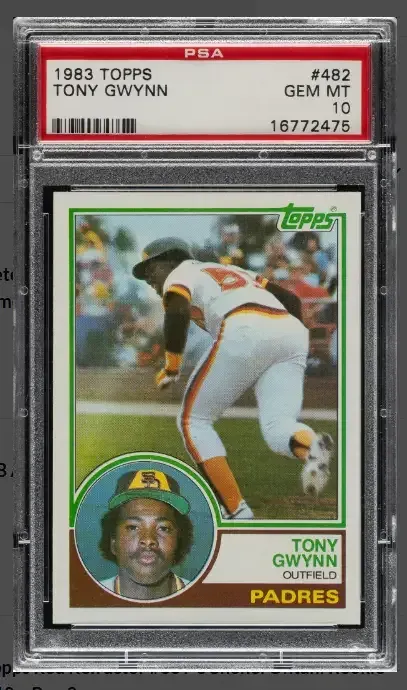
A slabbed card is not always a numerically graded card. PSA separates authenticity from grading: authentication verifies originality or genuineness, while grading evaluates condition on a numeric scale. A card can be authenticated without receiving a condition grade, depending on the service and the item.
That distinction matters because collectors often use “slabbed” as a catch-all term. In practice, the label and service type tell you what happened. Some items may be encapsulated for authenticity only, while others receive both authentication and a numeric grade. PSA’s autograph services also show that a certified autograph can be authenticated with or without a numeric assessment depending on the offering.
For buyers and sellers, the consequence is simple: read the label, not just the slab shape. Encapsulation tells you a service handled the item. It does not automatically tell you the exact outcome of that service. If you are comparing cards, the label description matters as much as the holder itself.
- Encapsulated does not always mean numerically graded.
- Authentication verifies genuineness; grading assesses condition.
- Read the label and service type carefully.
- Do not assume every slab means the same result.
What should collectors use as a simple decision tree?
The easiest way to choose is to start with the card’s destination. If it is staying in your collection and needs only basic safety, use a penny sleeve and then decide whether a top loader or magnetic holder better matches your storage style. If the card is going to a grading company, use a penny sleeve and semi-rigid holder unless the service’s live instructions say otherwise.
If the card is a display piece, magnetic holders make sense because they prioritize presentation and access. If the card is a common extra or a short-term placeholder, a penny sleeve and top loader is usually enough. If the card is valuable, rare, or headed toward third-party review, move from convenience thinking to submission thinking.
That approach keeps the decision grounded in purpose instead of habit. Hobby packaging changes over time, and grading services update rules. The reliable habit is not memorizing one perfect holder forever. It is matching the holder to the job, then checking current company guidance before the card leaves your hands.
- Storage: sleeve plus top loader or magnetic holder, depending on presentation needs.
- Submission: sleeve plus semi-rigid holder.
- Display: magnetic holder is a strong fit.
- Always check current grading instructions before shipping.
Frequently Asked Questions
Should every card go into a penny sleeve first?
For practical protection, yes, that is usually the safest starting point. It is especially important if the card may later go into a top loader, semi-rigid holder, or grading submission.
Can I submit cards for grading in top loaders?
Usually no. PSA specifically says not to submit cards in top loaders, hard acrylic snap cases, or screw-down holders.
Are magnetic holders better than top loaders?
Not universally. Magnetic holders are better for display, while top loaders are often more practical for basic storage and transport.
Do semi-rigids and top loaders serve the same purpose?
No. Semi-rigids are the standard choice for grading submissions, while top loaders are mainly for storage and handling.
Does a certification lookup prove a slab is authentic?
It helps, but it is not a complete guarantee. PSA says certification verification does not eliminate risk, so buyers should inspect the slab, label, and seller context too.
Written with AI assistance. Featured image: AI-generated editorial illustration.

Comments
0You must be signed in to comment.
Sign In