

Logan Paul and Gary Vee Spotlight a Hot Non-Sport Market
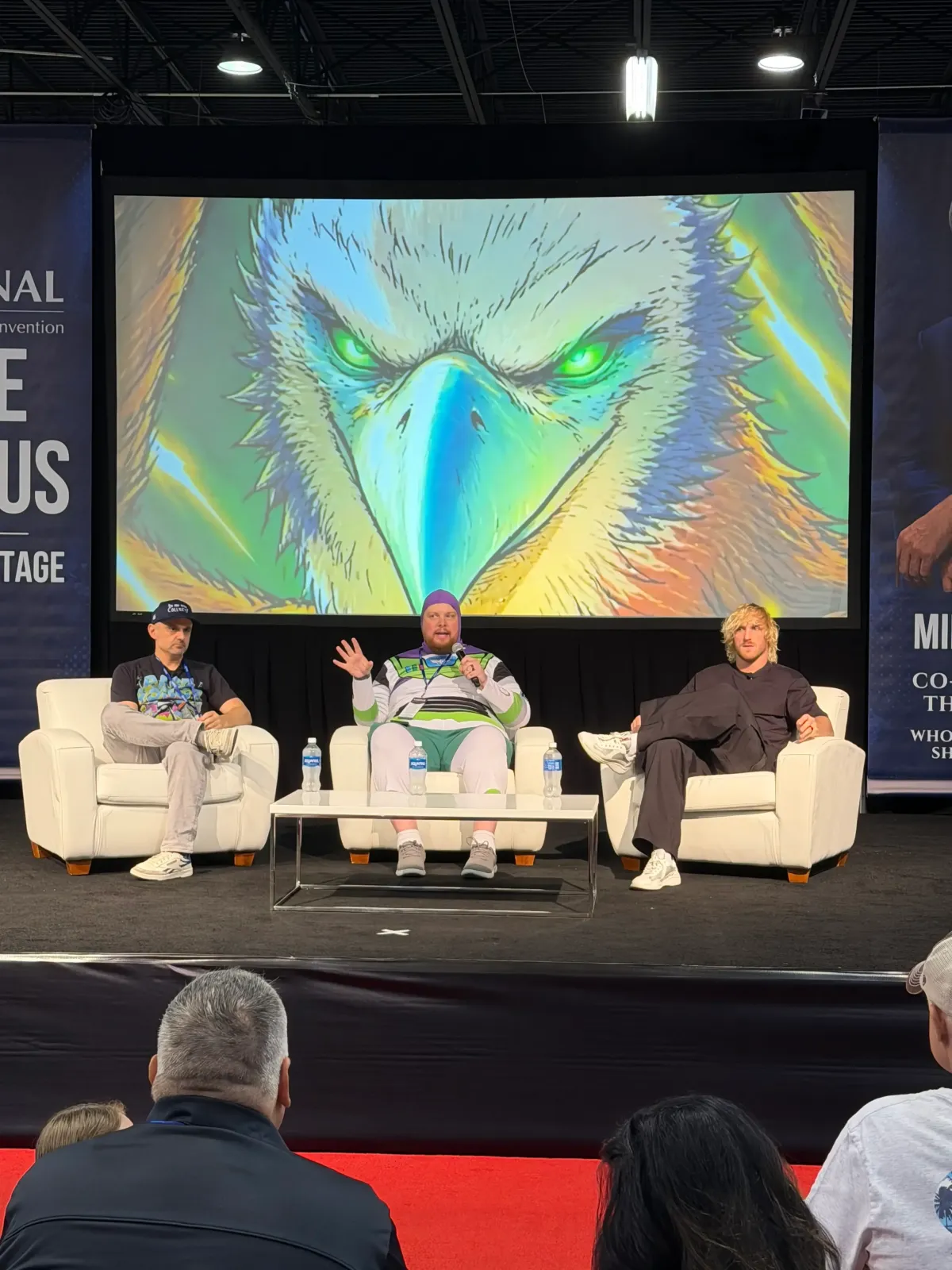
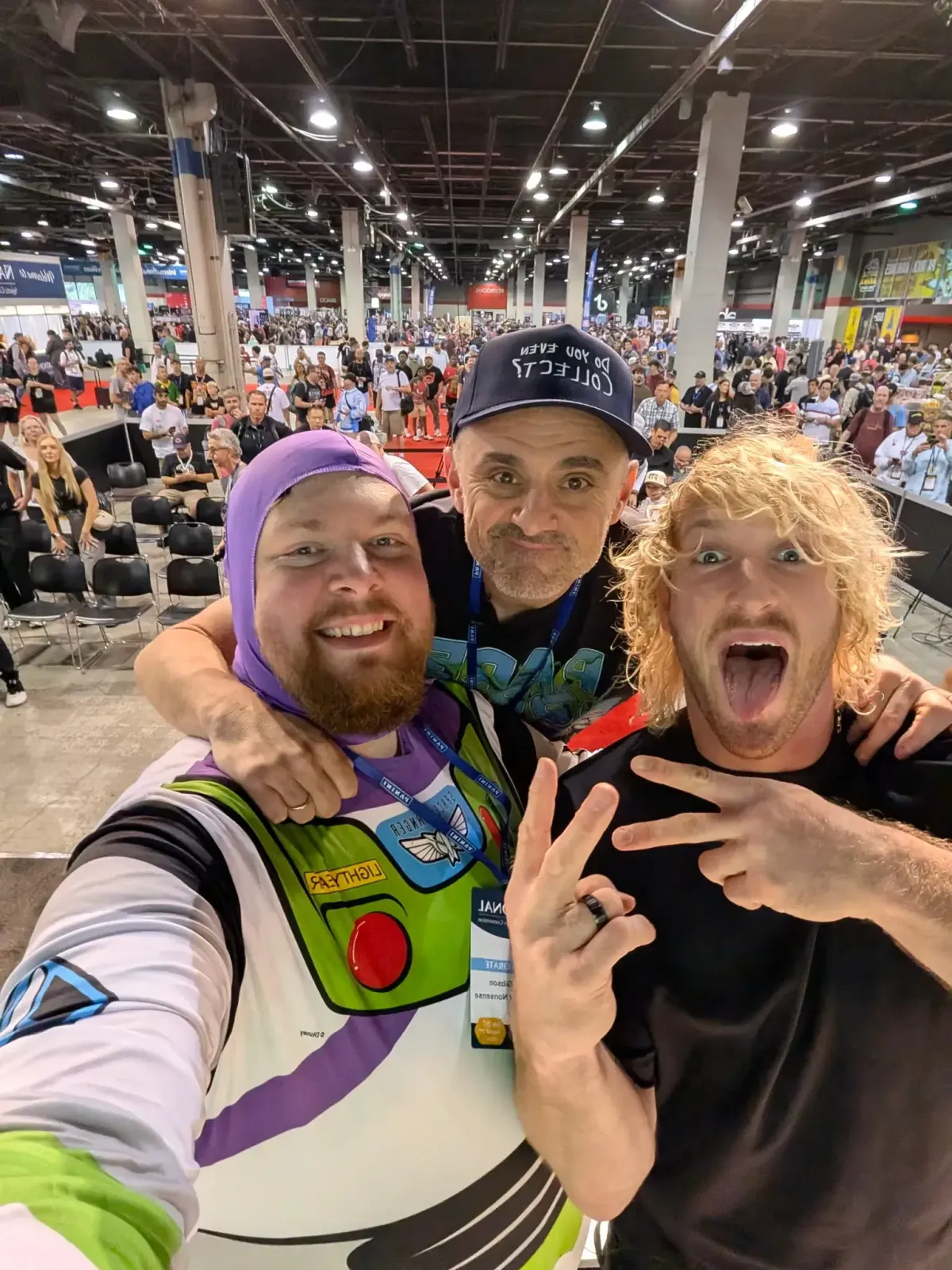
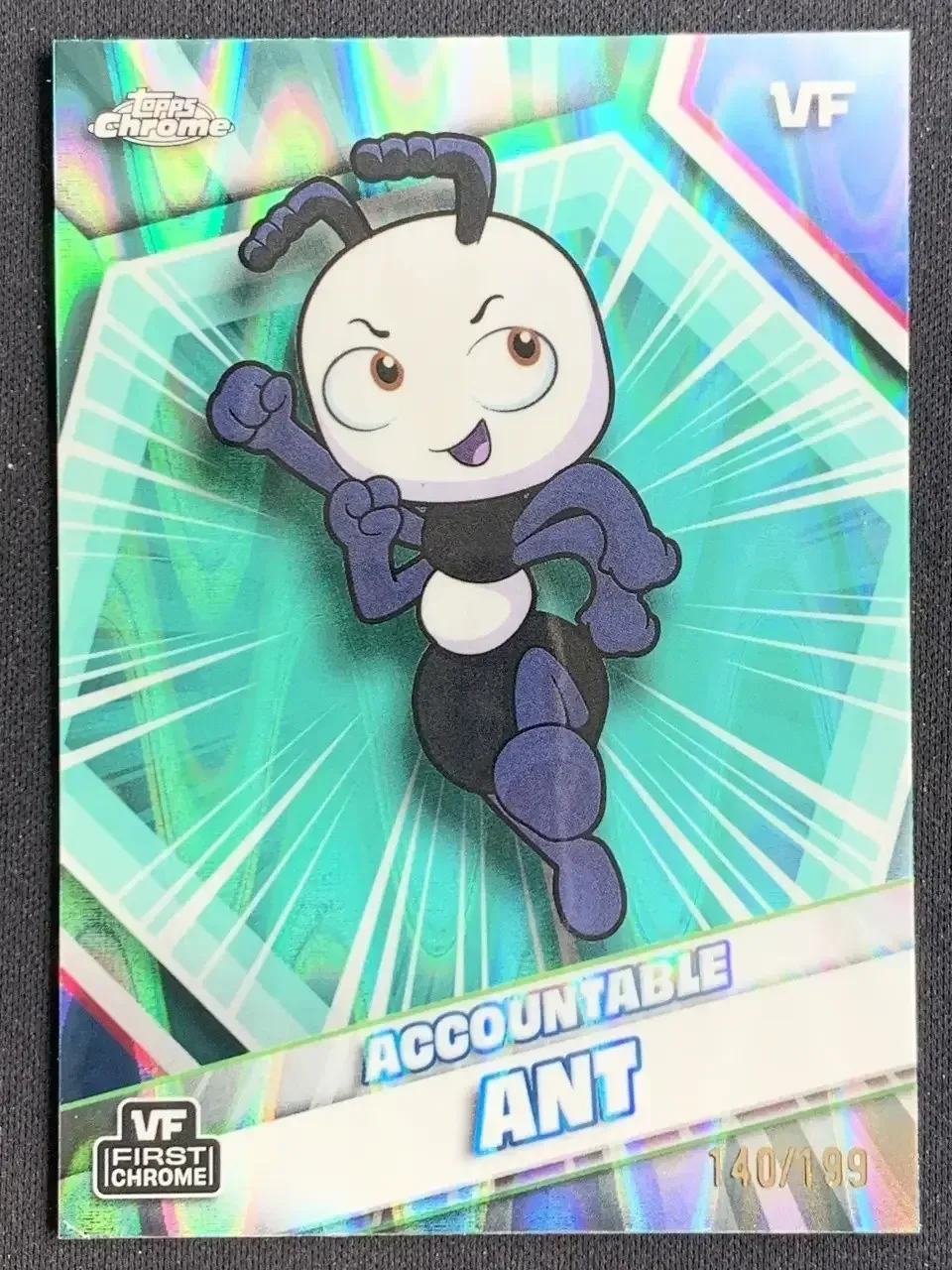
The National continues to grow its presence in the non-sport side of the hobby, and this year’s convention brought one of the most talked-about conversations to the stage. On Thursday, Logan Paul and Gary Vee, creator of Topps Chrome VeeFriends, joined Sports Card Nonsense’s Jesse Gibson for a wide-ranging discussion on the current state of the trading card and non-sport market.
The conversation centered on a theme that has become increasingly hard to ignore: the TCG and non-sport market is booming. Both Paul and Vee pointed to the strength of the category and the growing attention it is receiving from collectors, creators, and brands across the hobby.
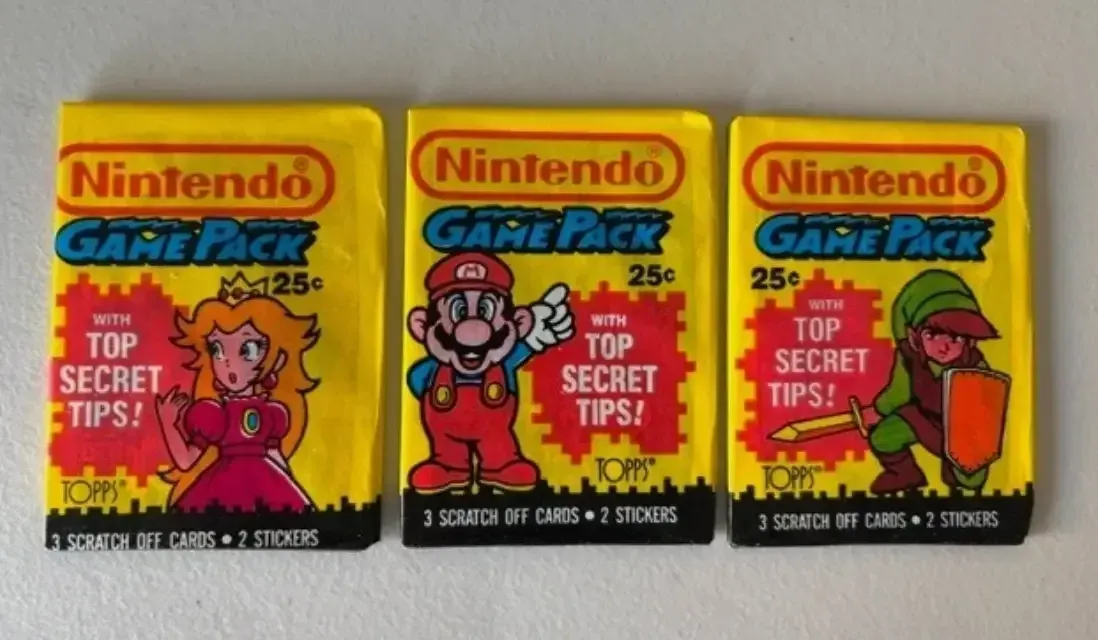
For many in attendance, the discussion reflected a larger shift taking place at The National and throughout the collectibles space. Non-sport products are no longer a niche corner of the market. They are becoming a bigger part of the conversation, with more collectors looking at these cards as a serious segment of the hobby.
Why Brand IP Matters in Non-Sport Collecting
One of the key topics discussed was the long-term value of intellectual property in the collectibles market. Paul and Vee both emphasized that successful non-sport brands need to do more than release trading cards. They need to build across multiple areas of popular culture in order to create lasting demand and broader collector interest.
That approach, they said, is part of what gives major franchises staying power. Brands such as Disney, Marvel/DC, and Pokémon continue to expand beyond a single category, and that kind of cross-platform presence helps strengthen their position in the collectibles market.
The idea is simple but important: the strongest non-sport properties tend to live in more than one place. Cards may be the entry point, but the broader brand ecosystem is what helps sustain attention over time.
Logan Paul on WWE and the Demands of Performance
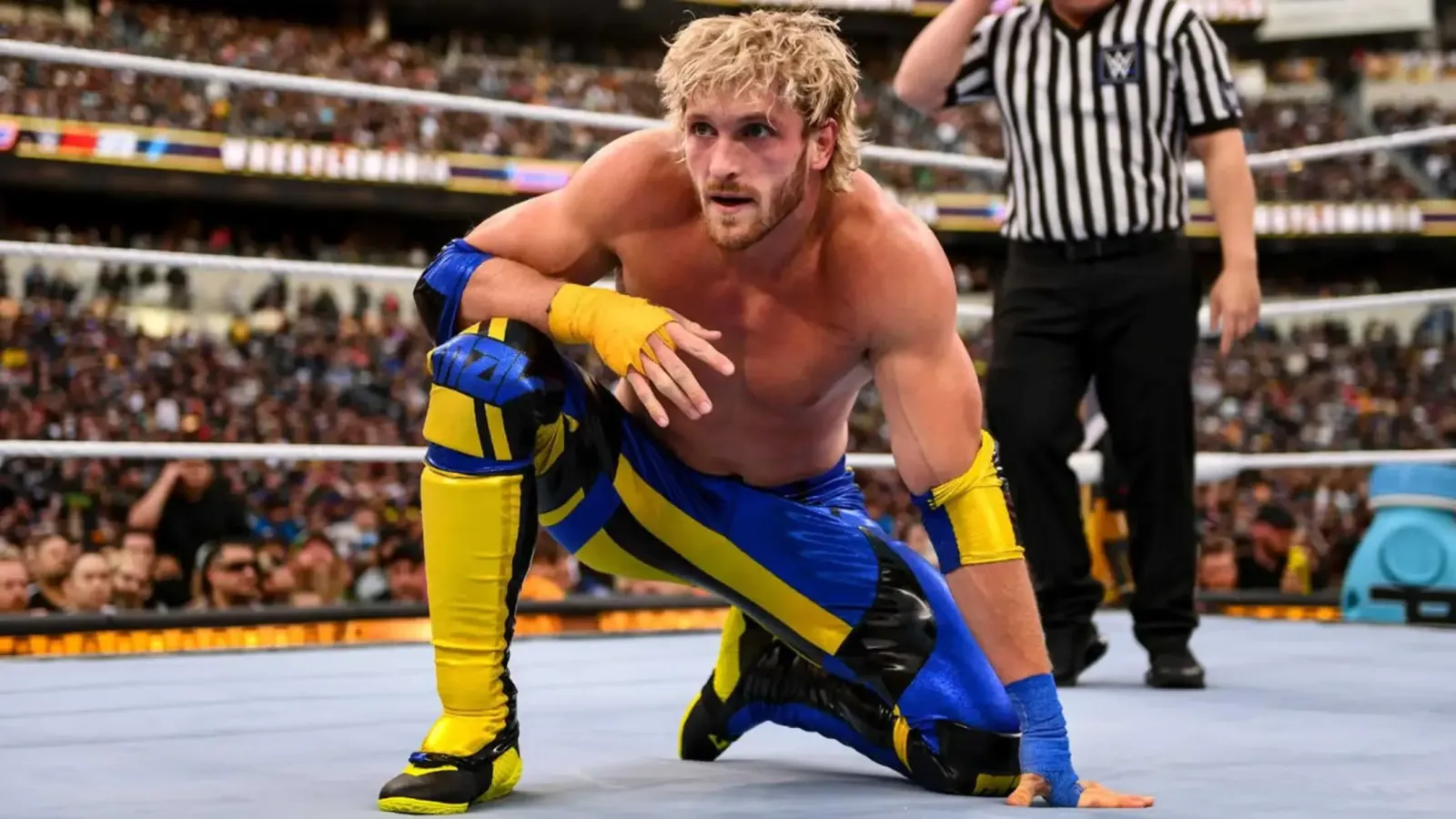
Paul also spoke about his experience in WWE, describing professional wrestling as the hardest thing he has done. When asked whether he considers wrestling a sport or entertainment, he answered directly: “It’s both!”
He explained that the physical and mental demands of performing in the ring have been intense, and he noted that he has suffered serious injuries during his time in wrestling. His comments highlighted the unique challenge of balancing athletic performance with entertainment, something he said requires a level of versatility that every successful WWE superstar must have.
The discussion offered a reminder that wrestling occupies a rare space in sports and entertainment. It demands real athletic ability while also requiring the performer to deliver a compelling show, often under difficult physical conditions.
Collectors Are More Informed Than They Were During the Boom
Both Paul and Vee said the hobby is in a better and more mature place than it was during the COVID-era boom and crash. In their view, collectors today are more informed, more deliberate, and more willing to use data when making decisions.
That change matters because the market has already shown how quickly enthusiasm can turn into overextension. During the 2020-2021 period, many new collectors entered the hobby without much experience, and some made impulsive decisions that did not hold up once prices changed. Paul and Vee suggested that today’s collector base is better equipped to avoid those mistakes.
The growing use of data and research has helped create a more disciplined environment. Collectors are increasingly looking at current pricing, long-term potential, and market trends before making purchases, which has helped raise the overall level of discussion in the hobby.
Gary Vee on Market Cycles and Personal Accountability
Even with the non-sport market running hot and The National drawing record attendance, Vee cautioned that no market rises forever. His message was that collectors need to understand the natural cycle of prices and avoid assuming that every trend will continue indefinitely.
He stressed personal accountability and encouraged collectors to know their limits. In his view, people should only invest or prospect with money they are willing and able to lose. That mindset, he said, is essential for staying grounded in a market that can move quickly in both directions.
Vee’s comments served as a reminder that excitement alone is not a strategy. Collectors who understand risk, stay disciplined, and accept that prices can change are more likely to build a healthier relationship with the hobby.
Collect What You Love and Build a Process
Despite the market talk, both speakers made clear that collecting remains personal. Vee said he is still bullish on fictional characters, with a particular focus on rookie cards and first appearances of non-sport figures from the 1930s through the 1980s.
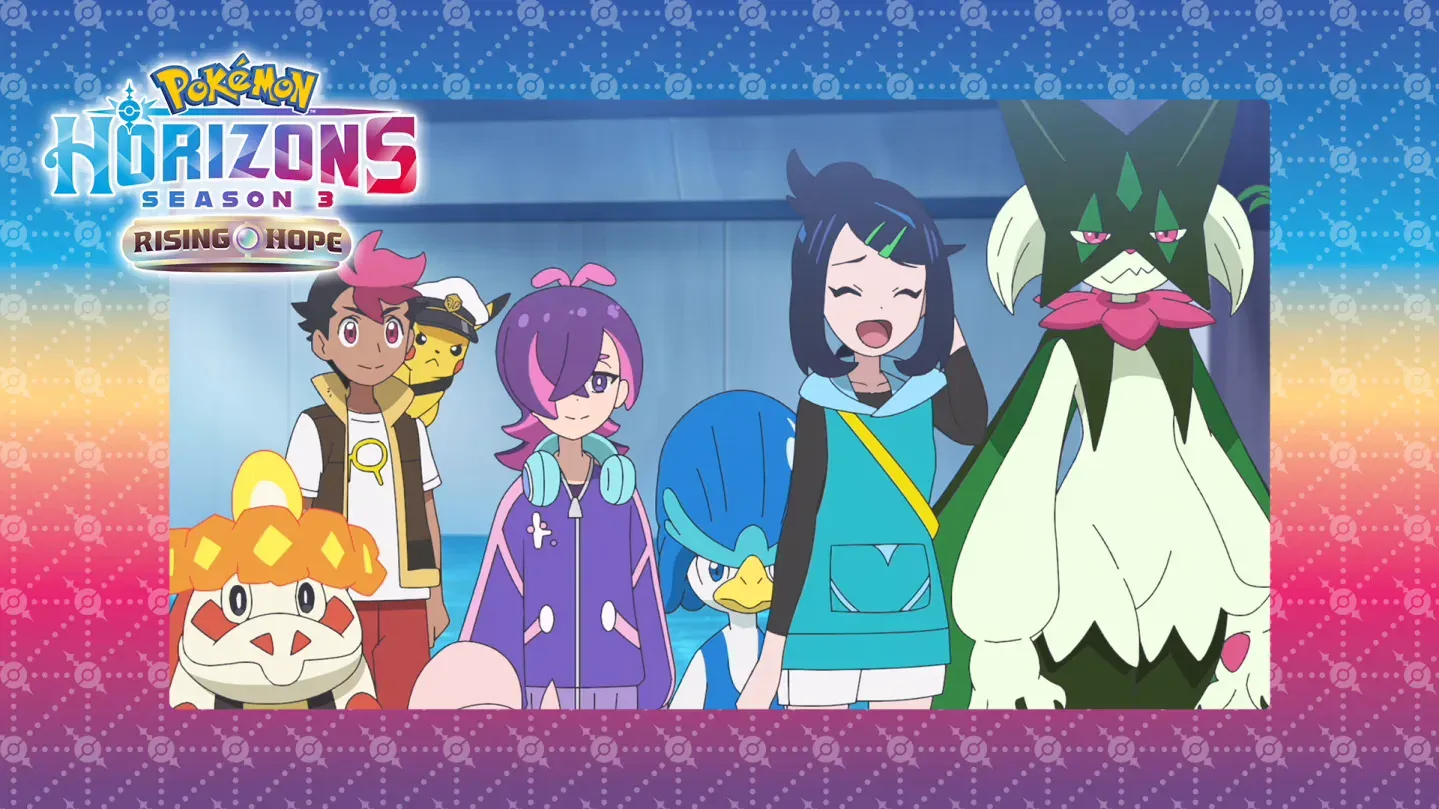
Paul shared that his current favorite Pokémon cards to collect are Gengar and Steelix. His comments added a more personal layer to the discussion, showing that even high-profile figures in the hobby still collect based on individual taste and interest.
That point carried into the advice Vee offered to younger collectors. If he had $100, he said he would use it to grind $1 to $2 boxes and buy in volume with the goal of reselling to other collectors. He argued that learning through both wins and losses helps build the kind of knowledge and discipline needed to develop a healthy hobby mindset.
The message was not just about making money. It was about creating a process, understanding what moves, and learning how the market behaves through firsthand experience.
The National Continues to Expand Beyond Sports
The discussion also reflected a broader trend at The National, where non-sport and TCG content continues to gain momentum. As the convention expands its footprint in that area, conversations like this one show how much attention the segment is receiving from some of the hobby’s most visible names.
With more collectors following non-sport releases, more brands investing in the category, and more crossover interest from outside traditional sports card circles, the market appears to be entering a new phase of visibility. Paul and Vee’s discussion captured that energy while also acknowledging the need for discipline, research, and perspective.
For collectors watching the space closely, the takeaway was clear: the non-sport market is growing, but the smartest participants are still the ones who stay informed, understand the risks, and collect with purpose.
Comments
0You must be signed in to comment.
Sign In