


A license transition in the trading card hobby is rarely as simple as one company replacing another. Rights can be split across leagues, player associations, teams, retired-player groups, and product categories, so the label on a box rarely tells the whole story. The safest approach is to treat every transition as a document-reading exercise, not a rumor-chasing one.
That matters because the same sport can have products with very different legal footing. Some cards are fully licensed, some are player-licensed but not league-licensed, and some sit in a narrower category such as physical cards only. For collectors, those differences affect how a product should be identified, compared, and stored.
The goal of this checklist is not to predict prices or tell anyone what will rise or fall. It is to help buyers confirm what a product is, when it belongs, and how to verify what they are holding. In a transition year, a careful collector does not just ask whether a card is authentic; they ask which rights it actually reflects and whether the release date matches the new licensing era.
1) What rights are actually changing in a transition?
The first mistake collectors make is assuming a license transition is one clean handoff. In practice, separate rights can move on different schedules or live in different buckets. League marks, player name-image-likeness rights, team branding, and retired-player or Hall of Fame content may all be handled differently within the same sport.
That means a product can be fully licensed in one sense and limited in another. A set might carry player rights but not league rights, or it may be allowed to use certain content categories while excluding others. The official legal lines on a product page matter because they show which rights are actually included, not which rights a marketplace listing implies.
- Check whether the product names the league, the players’ association, both, or only one rights holder.
- Treat retired-player and Hall of Fame content as separate from active-player licensing unless the official copy says otherwise.
- Assume a transition can affect one insert or subset of cards without changing the entire product line.
2) Why does the announcement date matter less than the product date?
Collectors often react to the press release, but the press release is not always the buying signal. A manufacturer or league can announce a deal months before the first packs or boxes that fall under the new arrangement actually reach the market. If you are trying to buy the first product of a new era, the relevant date is the release or ship date, not the announcement date alone.
The safer habit is to write down the announcement date, the first listed release date, and the final checklist date side by side. That gives you a timeline instead of a headline. It also helps when a product page says details remain subject to change, because early previews can be incomplete and transition-year assumptions can age badly.
- Record the announcement date, release date, and checklist date before buying sealed product or singles.
- Prefer the final official checklist and legal copy over teaser images or early retailer descriptions.
- If the date gap is wide, be cautious about assuming a product belongs to the new rights era.
3) How do you tell league rights from player-association rights?
This is the core distinction in a transition. League licensing and player-association licensing are not interchangeable, and an official product can have one without the other. The NFLPA’s explanation of group licensing makes clear that player rights can be used individually or collectively, while its distribution policy shows that even licensed products may be controlled through approved channels.
A clear baseball example appears in Panini’s own product language, where a release can be officially licensed by the players’ association while also stating that it is not licensed by Major League Baseball. That is not a small technicality. It tells you exactly why two cards from the same sport and season can feel similar but sit under different legal umbrellas.
- Read the official product language for the exact rights claims, not just the marketing headline.
- If the copy mentions the players’ association but not the league, do not assume full league licensing.
- Use the licensor’s own policy pages to understand whether distribution or approval rules also apply.
4) What does exclusivity really cover?
The word exclusive sounds simple, but in licensing it often needs a qualifier. An official announcement can make a company the exclusive manufacturer of physical trading cards without saying anything identical about digital products, stickers, or NFTs. That distinction matters because collectors sometimes overextend one category into another.
The NHLPA and NHL announcement is a useful model because it specifies an exclusive license for physical trading cards and separately references broader future offerings. A collector should read that kind of language carefully and resist the temptation to generalize. If a source says physical cards, assume only physical cards unless it explicitly says more.
- Check whether exclusivity applies to physical cards, digital cards, or another defined category.
- Do not assume an exclusive physical-card deal covers all memorabilia or digital assets.
- Read the exact scope wording before drawing conclusions about a whole sport or product line.
5) What should you look for on the card, box, or checklist?
The product’s own legal copy is the fastest authenticity filter for licensing questions. If a box, pack, or checklist gives one version of the rights claim and a retailer page gives another, the official manufacturer language should win. That is especially important in transition years, when a product may still be on shelves long after the rights landscape has changed.
A disciplined collector checks the season, manufacturer, and rights language together. That helps separate a fully licensed release from a player-only issue and also prevents mixing up similar product names from different years. If the checklist is preliminary, note that fact. If the final page adds or removes rights language, that change is meaningful and should not be brushed aside.
- Use the official product page or checklist as your primary rights reference.
- Match the sport, season, manufacturer, and legal wording before deciding a card’s status.
- Treat preliminary checklists as useful but not final until the manufacturer confirms them.
6) How do you verify a graded card during a transition?
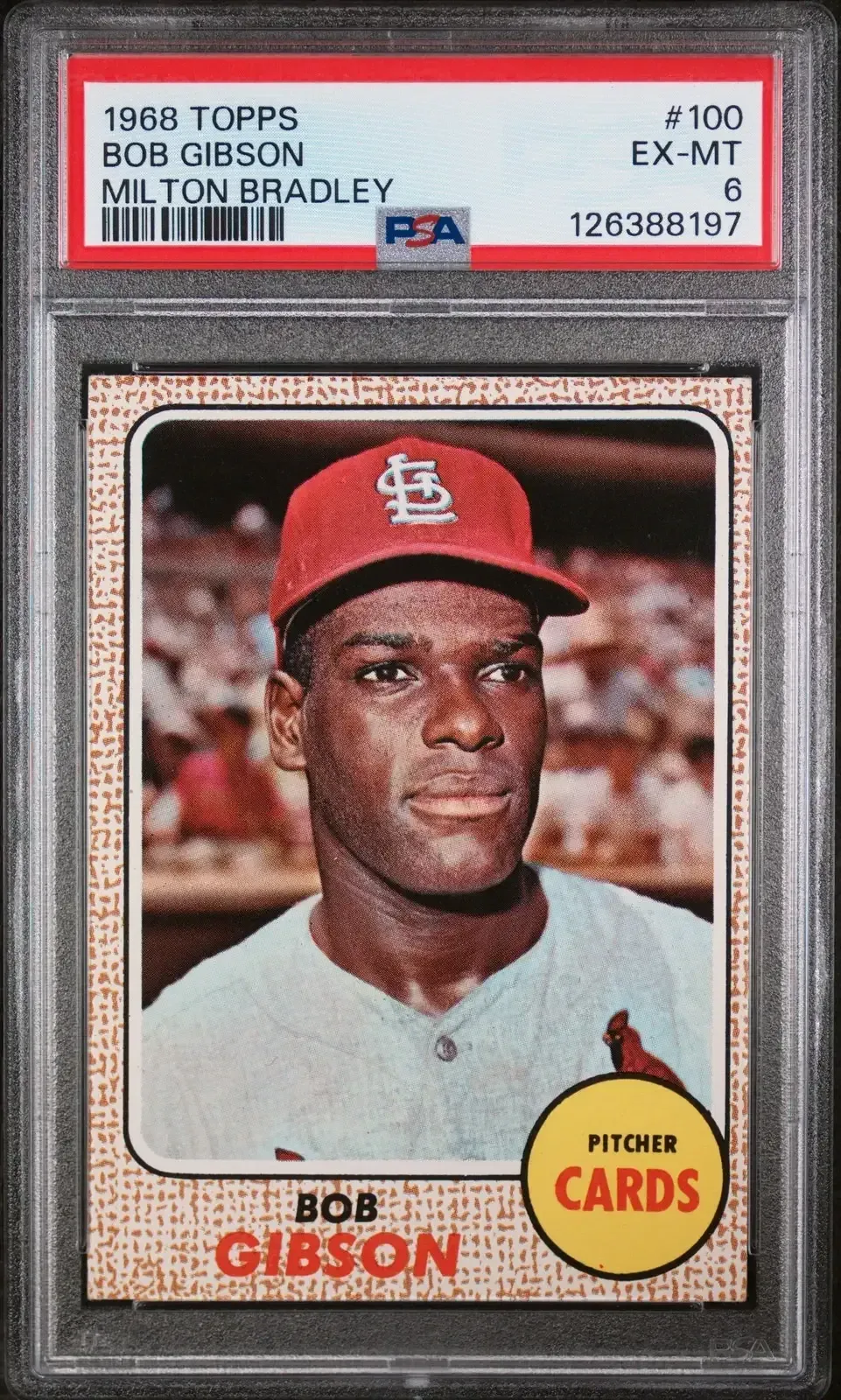
Graded cards add one more layer of protection, but they also add one more thing to verify. PSA distinguishes authentication from grading: one confirms originality or genuineness, while the other assigns a condition assessment. That is important because a card can be genuine without being numerically graded, and buyers should know which they are getting before comparing prices or expectations.
The holder matters too. PSA’s security materials explain that certification numbers, barcodes, imaging, and tamper-evident holder features can help verify an item, but no certification system is immune to label tampering or counterfeit holders. In other words, a quick lookup is necessary, but it is not the end of the job. The holder, label, and certification details should all make sense together.
- Confirm whether the item is authentication-only or assigned a numeric grade.
- Verify the certification number and compare it with the holder and label details.
- Inspect for holder tampering or mismatch before relying on the slab alone.
7) Why does slab verification still matter if the card already looks real?
Transition periods can attract counterfeiters because collectors are watching more closely and paying more attention to product boundaries. That makes slab verification part of the buying process, not just a post-purchase habit. PSA’s guidance emphasizes certification verification and security features, but it also warns that tampered or counterfeit holders and labels create serious problems.
The practical lesson is simple: look up the certification, compare the image if available, and make sure the holder generation and label style match what you expect. If an item has been removed from its holder or shows signs of tampering, prior certification may no longer be reliable. That is true whether the card is modern, vintage, or tied to a fresh licensing change.
- Use the certification lookup before purchase whenever possible.
- Compare holder style, label format, and card image instead of trusting the slab at a glance.
- Treat signs of holder tampering as a serious red flag, not a minor cosmetic issue.
8) Which product-specific caveats are most important to remember?
The safest collector mindset is to assume each product line can have its own exceptions. Topps’ legal language separates active-player, retired-player, and Hall of Fame rights, which means not every card in a set is governed the same way. Group licensing language can also allow a player image to appear individually or as part of a collective, which adds another layer of nuance.
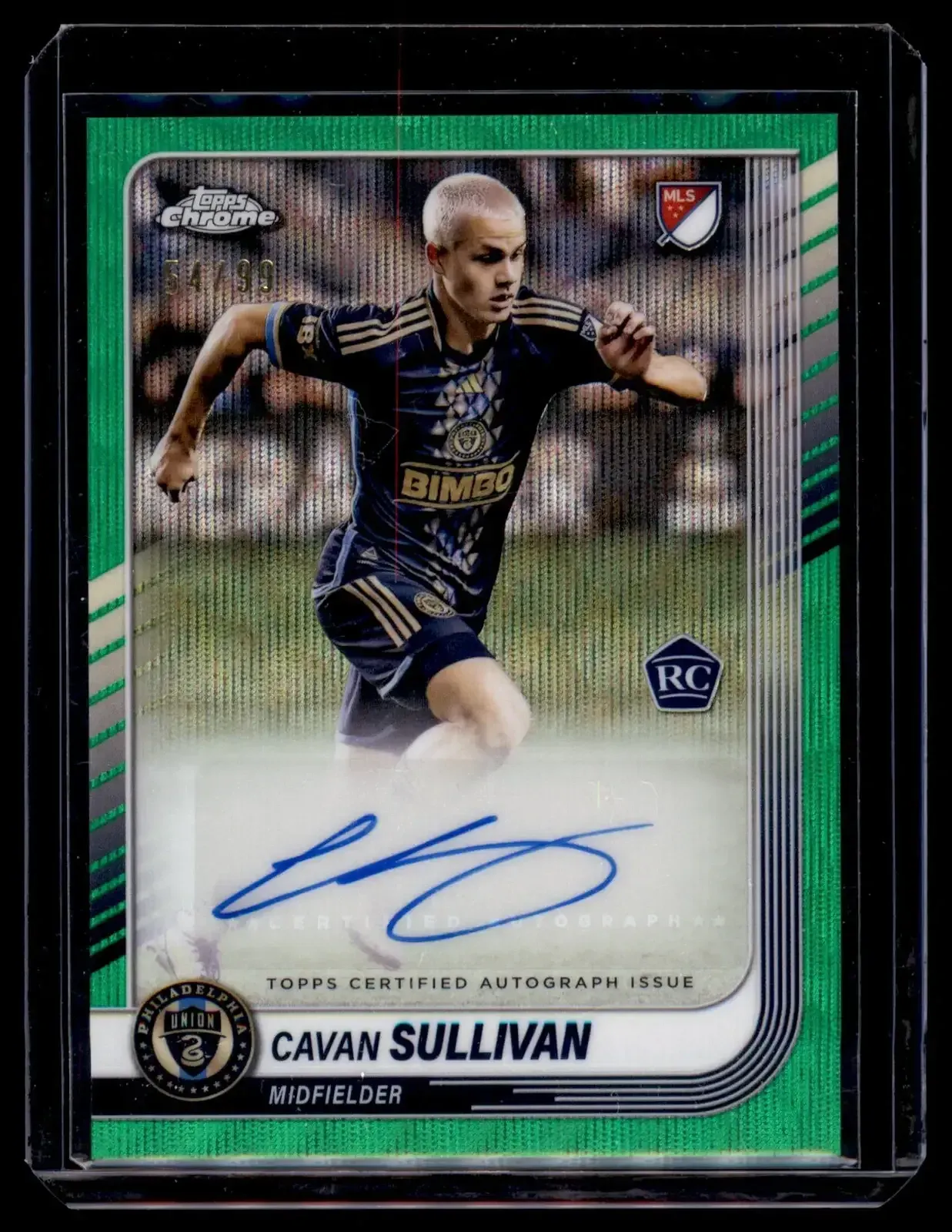
That is why a transition-year collector should never copy one rights assumption across an entire sport. The base set, an autograph insert, a commemorative issue, and a retired-player subset can each sit under different terms. If you need a good habit, make it this one: read every product as its own evidence file before you decide whether it belongs in your collection. See also [League Licenses vs. Player Association Rights: Why Both Matter on a Trading Card](https://sportscardportal.com/news/league-licenses-vs-player-association-rights-why-both-matter-on-a-trading-card).
- Do not assume inserts, autographs, and base cards are governed by identical rights language.
- Treat retired-player and Hall of Fame content as separate from active-player content unless the product says otherwise.
- Re-check the official wording when a set contains multiple categories of cards.
9) What is the simplest way to decide whether to buy now?
A transition-year buy decision should follow a short, repeatable process. First, identify the exact product and season. Second, read the official rights language. Third, compare that language with the transition date and the release date. Fourth, if the card is graded, confirm the slab details and know whether it is authentic-only or numerically graded.
If all four steps line up, the purchase is easy to understand. If they do not, slow down. The middle ground is where most collector errors happen: a product is technically official, but not under the rights package the buyer thought it had; or a slab is genuine, but the holder or label does not support the assumption the listing makes. Careful buyers do not need certainty about every future release. They need clarity on the item in front of them.
- Buy more confidently when the product date clearly falls after the transition and the rights are explicit.
- Buy cautiously when the release is near the announcement window or the legal copy is incomplete.
- Avoid relying on marketplace language when the official source is available.
10) What remains uncertain even after careful checking?
Official pages are strong on rights categories and verification tools, but they are not full contract databases. They usually do not publish every carve-out, negotiation detail, or internal effective date in one place. That means some edge cases will remain unresolved unless the product page, checklist, and licensor announcement align clearly.
For collectors, that uncertainty is not a weakness in the process; it is the reason the process exists. When the evidence is incomplete, the honest answer is to narrow the claim. Say what the card is licensed for, what the official language actually states, and what cannot be confirmed from the public record. In a licensing transition, precision is a collecting skill.
- Use official product language to narrow claims when the full contract is not public.
- Do not infer rights that the source does not explicitly state.
- Treat incomplete evidence as a reason to pause, not a reason to guess.
Frequently Asked Questions
What is the most important thing to check in a license transition?
Check the exact rights language on the official product page or checklist. That tells you whether the card is tied to the league, the players’ association, both, or a narrower category.
Can a card be officially licensed and still not be fully league licensed?
Yes. Official product language can show player-association licensing without league licensing, so “officially licensed” does not always mean the same thing across products.
Should I trust a slab without checking the certification?
No. A slab should be verified through the certification lookup, and the holder and label should also make sense. Authentication, grading, and holder integrity are related but not identical.
Why do release dates matter so much in a transition year?
Because an announcement can come before the first eligible product release. If you want the first cards under the new arrangement, the release date is the key date, not the press release date alone.
Written with AI assistance. Featured image: AI-generated editorial illustration.
Comments
0You must be signed in to comment.
Sign In